

Capybaras are the world’s largest rodents, famous for their calm nature and social lifestyle. But living in the wild isn’t easy—these gentle giants must stay alert to survive in habitats full of predators. Many people wonder: How does a capybara defend itself? The answer is more complex than you may think. Capybaras use a mix of physical traits, group strategies, and smart behaviors to stay safe. Let’s explore the unique ways these animals protect themselves in the wild.
The Capybara’s Main Predators
Before looking at defenses, it helps to know what threatens capybaras. In their native South American wetlands, capybaras face:
- Jaguars
- Caimans
- Anacondas
- Ocelots
- Eagles and large birds of prey
- Humans (in some areas, hunted for meat and skin)
Each predator requires a different defense. Capybaras have developed several ways to avoid and escape these dangers.
Group Living: Safety In Numbers
One of the capybara’s best defenses is its social life. Capybaras live in groups, usually ranging from 10 to 20 individuals, but sometimes up to 100.
Benefits Of Group Living
- More eyes for danger: In a group, some capybaras can eat while others watch for predators.
- Alarm calls: If a capybara spots danger, it barks or whistles to warn the group.
- Protection for young: Babies (called pups) are safer in a group, as adults can help protect them.
Living together means it’s harder for a predator to sneak up. It also increases the chance that at least one capybara will spot danger in time.

Credit: www.youtube.com
Camouflage And Stillness
Despite their size, capybaras can blend into their environment. Their brown fur matches the color of mud and reeds near rivers and ponds.
- Staying still: When a threat is near, capybaras often freeze. This makes them less visible to predators who spot movement.
- Low profile: Their body shape lets them hide in tall grasses or shallow water.
This simple defense is surprisingly effective, especially for young capybaras who are more at risk.
Water: The Ultimate Escape Tool
Capybaras are semi-aquatic. Water is their main refuge.
How Capybaras Use Water
- Diving: Capybaras can hold their breath for up to five minutes underwater.
- Swimming: They are strong swimmers and can even sleep in water, keeping just their nose above the surface.
- Hiding: In case of danger, capybaras slip quietly into the water, sometimes with only their eyes and nostrils showing.
This table compares capybara swimming skills to common predators:
| Species | Swimming Ability | Underwater Duration |
|---|---|---|
| Capybara | Excellent | Up to 5 minutes |
| Jaguar | Good | Up to 1 minute |
| Caiman | Excellent | Over 15 minutes |
| Anaconda | Excellent | 10+ minutes |
While some predators like caimans and anacondas are also good in water, capybaras rely on their speed and agility to escape.
Warning Systems And Communication
Capybaras have a range of sounds and signals to alert each other.
- Barks: Short, loud sounds to warn of immediate danger.
- Whistles: High-pitched calls, often used by young capybaras.
- Teeth chattering: A sign of stress or warning to others.
Their ears and eyes are on top of their head, so they can keep watch while mostly submerged.
Physical Defenses
Capybaras are not fighters, but they have some physical tools for emergencies.
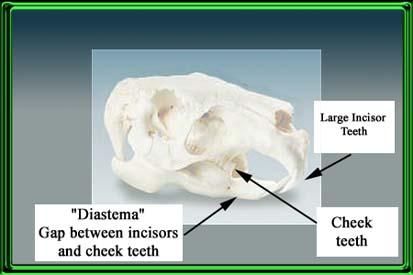
- Sharp teeth: Their large, strong teeth can bite if cornered.
- Strong legs: Capybaras can run up to 35 km/h (about 22 mph) for short bursts to escape on land.
Here’s how capybara speed compares to their predators:
| Animal | Top Speed (km/h) |
|---|---|
| Capybara | 35 |
| Jaguar | 80 |
| Caiman | 25 |
| Ocelot | 58 |
While capybaras are not the fastest, a quick sprint can get them to water before a predator catches them.
Scent And Marking Territory
Capybaras have special scent glands on their nose and bottom. These glands release strong-smelling chemicals.
- Marking: They rub their scent on plants and mud to mark their territory.
- Group scent: All group members share a similar smell, helping them recognize each other and confusing predators.
Few beginners realize how important scent is in capybara defense. It helps keep the group together, especially in dense wetlands where visibility is poor.
Learning And Adapting
Capybaras are smart and learn from experience. Young capybaras watch adults and copy their escape techniques. Over time, groups develop:
- Preferred escape routes to water or cover.
- Different warning calls for different threats.
This ability to adapt keeps them safer than most people realize.
Non-obvious Insights
- Capybaras use mud to hide their scent. When threatened, they sometimes roll in mud or water to cover their smell from predators like jaguars, who hunt by scent.
- They understand predator routines. Capybaras learn when and where predators hunt, and they change their activity patterns to avoid these times, often feeding at dawn or dusk.
Capybara Defense Vs. Other Rodents
Capybaras are much larger than other rodents, so their defense strategies are different.
| Rodent | Main Defense | Social Structure |
|---|---|---|
| Capybara | Water escape, group living | Large groups |
| Guinea Pig | Hiding, burrowing | Small groups |
| Beaver | Building lodges in water | Family units |
Capybaras’ mix of water escape, group living, and alertness makes them unique among rodents.

Credit: www.reddit.com
Final Thoughts
Capybaras might look gentle and slow, but they are well-equipped to survive in dangerous environments. Their main defenses—group living, water skills, strong communication, and learning—help them escape many threats. Unlike many animals, capybaras don’t rely on fighting. Instead, they use smart strategies and teamwork. Understanding how a capybara defends itself reveals the power of adaptation in the animal world. If you want to learn more about their habitat and habits, visit the Wikipedia Capybara page.
Frequently Asked Questions
How Does A Capybara Escape From A Jaguar?
Capybaras spot jaguars early using group watchfulness. When chased, they run quickly toward water and dive in, often hiding underwater until the danger passes.
Do Capybaras Ever Fight Back?
Capybaras rarely fight predators. They may bite with their strong teeth if cornered, but most rely on escape and warning calls.
How Long Can A Capybara Stay Underwater?
A capybara can stay underwater for up to five minutes, helping them avoid land-based predators and stay hidden.
Why Do Capybaras Live In Groups?
Living in groups offers better protection. With more eyes and ears, capybaras can detect predators sooner and warn each other.
Are Capybaras Safe Around Humans?
Capybaras are gentle and usually not aggressive toward humans. In the wild, they prefer to escape rather than confront people.
Credit: www.the-piedpiper.co.uk


