

Capybaras are known as the world’s largest rodents, often seen relaxing in water or munching on grass with their families. Many people find these gentle animals fascinating and want to know more about their lives. One of the most common questions is, “How long do capybaras live for?
” Understanding their lifespan can help future owners, wildlife enthusiasts, and researchers care for or observe these animals better. Let’s explore the details of capybara lifespan, including wild and captive life, factors that affect their longevity, and some unexpected insights.
Typical Capybara Lifespan
The lifespan of capybaras depends on whether they live in the wild or in captivity. In their natural habitat, capybaras face many dangers. Predators, disease, and environmental changes can affect how long they live. In zoos or as pets, these risks are lower, but other factors come into play.
| Environment | Average Lifespan |
|---|---|
| Wild | 6-8 years |
| Captivity | 8-12 years |
Most capybaras in the wild live around 6 to 8 years. In captivity, with proper care, they can reach 8 to 12 years or even a bit longer. However, reaching the upper end of this range is rare without excellent diet, health monitoring, and a low-stress environment.
Wild Vs. Captive Capybaras
Wild Capybaras
Wild capybaras face natural predators such as jaguars, anacondas, and caimans. Young capybaras are especially at risk—many do not survive their first year due to predation.
Other dangers include:
- Floods and droughts affecting food supply
- Parasites and diseases
- Human activities such as hunting and habitat loss
Because of these threats, capybaras in the wild rarely live beyond 8 years. In some areas with higher predator numbers, the average can be even lower.
Captive Capybaras
Capybaras in zoos or as pets often live longer because they have:
- Regular food and clean water
- Veterinary care
- Shelter from predators and harsh weather
However, captivity is not always perfect. Capybaras can face problems like obesity if they eat too much or get little exercise. Stress from small spaces or lack of social contact can also reduce their lifespan.
Main Factors Affecting Capybara Lifespan
Many things can change how long a capybara lives. Here are the most important:
1. Diet
Capybaras need a high-fiber diet, mainly made up of grasses. In captivity, providing the wrong food or too many treats can cause health issues, like tooth problems or digestive troubles.
2. Social Structure
These animals are highly social. Living alone makes them stressed and can shorten their life. Ideally, they need at least one companion.
3. Predation And Safety
Wild capybaras always face danger from predators. In captivity, safe enclosures and protection from dogs or other animals are important.
4. Healthcare
Access to a veterinarian familiar with capybaras is crucial. Regular checkups can spot health issues early, like skin infections or dental disease.
5. Environment
Capybaras require clean water for swimming and a warm climate. Cold or dirty environments can increase the risk of disease.
6. Genetics
Just like people, some capybaras are naturally stronger or weaker due to their genes.
Comparison With Similar Animals
To understand capybara lifespan better, it helps to compare them to similar animals:
| Animal | Average Wild Lifespan | Average Captive Lifespan |
|---|---|---|
| Capybara | 6-8 years | 8-12 years |
| Guinea Pig | 4-5 years | 5-8 years |
| Beaver | 10-12 years | 15-20 years |
| Nutria | 3-4 years | 6-8 years |
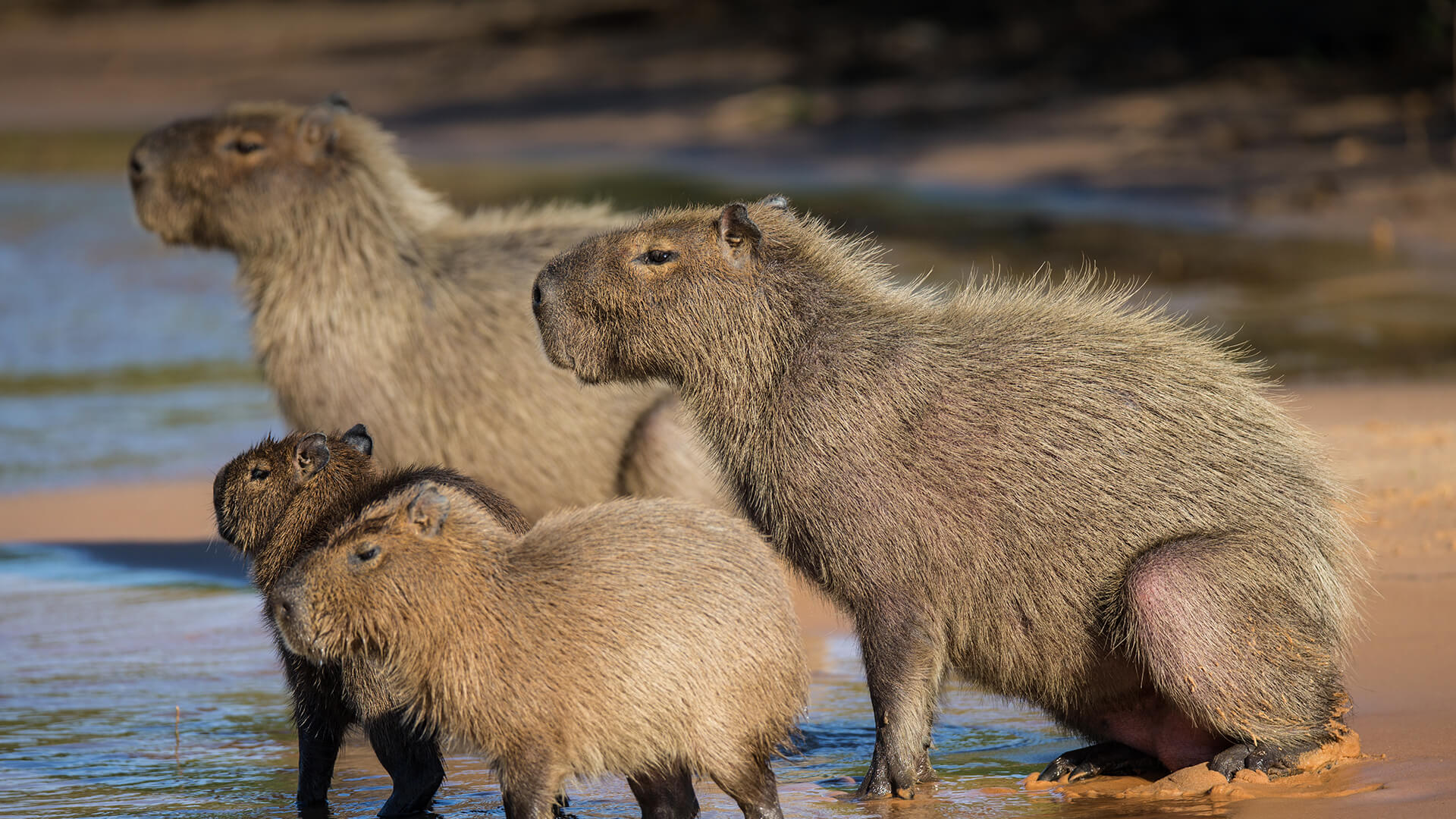
Capybaras live longer than guinea pigs and nutria, but less than beavers. Their social nature and size give them some advantages, but also make them more noticeable to predators.
Credit: animals.sandiegozoo.org
Non-obvious Insights
Many beginners think capybaras will live longer just because they are big or look healthy. However, two important things are often missed:
- Water Quality Matters: Capybaras spend much of their life in water. Dirty water can cause skin infections, parasites, and other illnesses. Clean swimming areas are just as important as food.
- Dental Health Is Critical: Like all rodents, capybara teeth never stop growing. If their food is too soft or their teeth do not wear down naturally, this leads to serious health problems and a shorter life.
Another point: capybaras sometimes mask their pain or illness, especially in groups. Caregivers must watch for small changes, like eating less or moving slowly, to catch problems early.
How To Help Capybaras Live Longer
If you care for capybaras or want to help wild populations, here are some simple but effective steps:
- Provide a varied diet with plenty of grass and hay, and limit sugary treats or processed foods.
- Ensure large, clean water areas for swimming and cooling off.
- Keep capybaras in groups or pairs to reduce stress.
- Schedule regular health checks with experienced veterinarians.
- Protect enclosures from predators and harsh weather.
For those interested in wild capybaras, supporting conservation projects and protecting wetlands are key steps.
Credit: www.savacations.com
Common Misunderstandings
Some people believe capybaras can live much longer than 12 years, often due to myths or rare outliers. While there are reports of capybaras reaching 14 or 15 years, these are not the norm. Such cases usually involve excellent care, genetics, and a bit of luck.
Another misunderstanding is that capybaras can live alone happily. In reality, isolation is very stressful for them and often leads to health problems.
Record Lifespans
The oldest reported capybaras in zoos have reached 15 years. However, these are rare and require ideal conditions. Most capybaras, even in top facilities, do not reach this age. In the wild, it is almost unheard of due to the many dangers they face.
Credit: www.rainforest-alliance.org
Summary Table: Lifespan Key Points
Here is a quick summary of the most important factors affecting capybara lifespan:
| Factor | Effect on Lifespan |
|---|---|
| Predation | Decreases in wild |
| Social Environment | Increases if positive |
| Diet Quality | Increases with high fiber |
| Healthcare Access | Increases in captivity |
| Water Cleanliness | Major impact |
Frequently Asked Questions
How Long Do Capybaras Live In The Wild?
Most capybaras in the wild live 6 to 8 years. Predators, disease, and harsh weather lower their chances compared to those in captivity.
Can Pet Capybaras Live Longer Than Wild Ones?
Yes, pet or captive capybaras often reach 8 to 12 years if given proper care, a good diet, and social contact.
What Is The Oldest Recorded Capybara?
The oldest capybaras on record have lived up to 15 years in zoos, but this is very rare.
Do Capybaras Live Longer If Kept In Groups?
Absolutely. Capybaras are social animals. Living in groups reduces stress and helps them live longer, healthier lives.
Where Can I Learn More About Capybara Care And Lifespan?
A good resource is the Wikipedia capybara page, which covers their biology, habitat, and care requirements.
Capybaras are unique animals with special needs. Understanding how long capybaras live and the factors that affect their lifespan helps both pet owners and wildlife supporters give these gentle giants the best possible life. With the right care and environment, capybaras can be healthy, happy companions or important parts of their natural ecosystem for many years.


