

Have you ever wanted to draw a capybara but thought it might be too hard? What if I told you it’s easier than you think?
In this guide, you’ll learn simple steps to create a cute capybara drawing, even if you have little or no experience. By the end, you’ll have a fun, charming picture you can be proud of. Ready to surprise yourself with your new drawing skills?
Let’s get started!
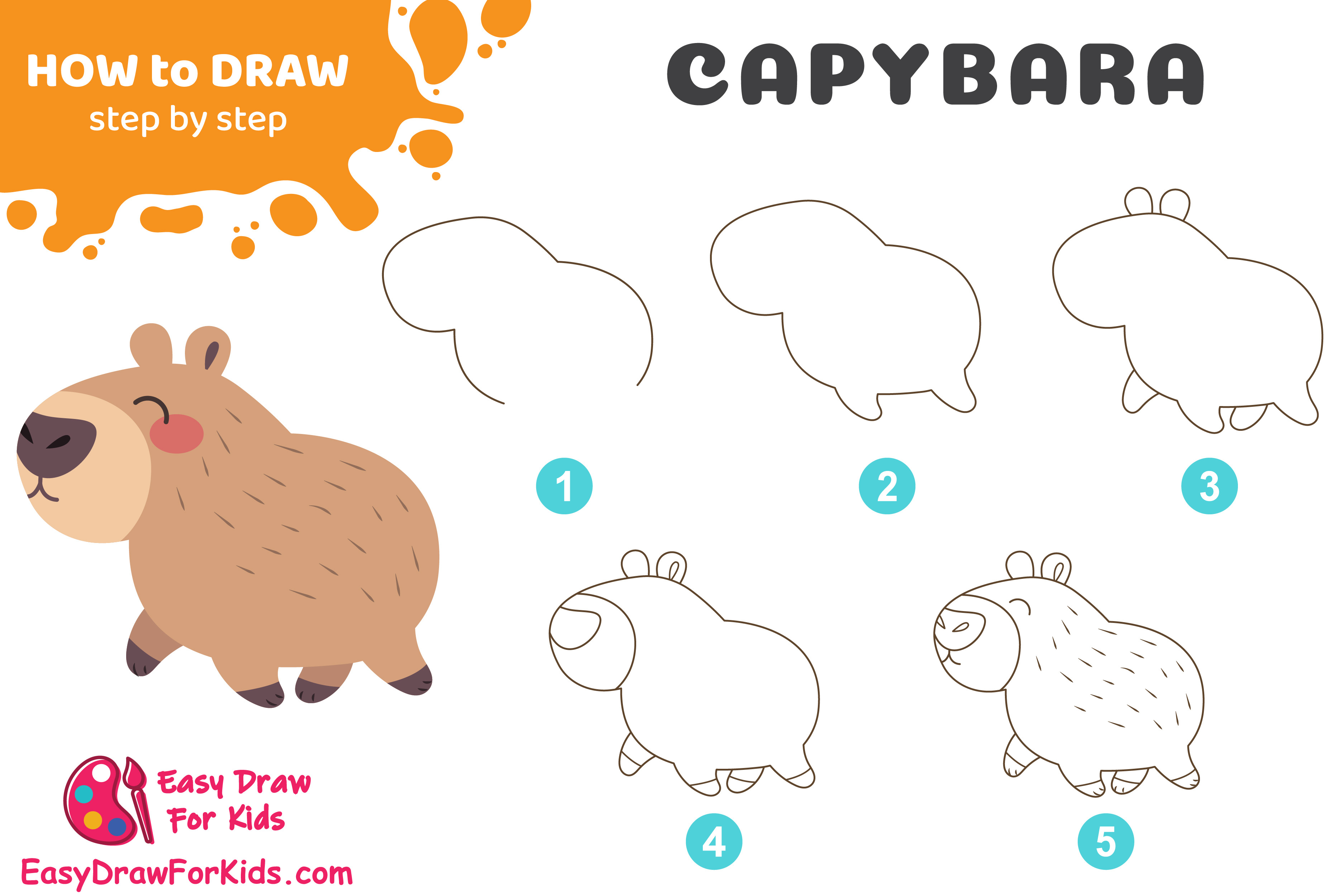
Credit: tips.clip-studio.com
Materials Needed
Drawing a capybara can be simple and fun with the right materials. Having the proper tools helps you focus on creating your art without interruptions. Gather everything you need before starting your drawing session.
Basic Drawing Tools
Start with a pencil for sketching your capybara’s shape. Choose a pencil that is not too hard or too soft. A standard HB pencil works well. Use a clean eraser to fix mistakes gently. Have a sharpener ready to keep your pencil tip fine. Use plain white drawing paper to see your lines clearly. A smooth surface paper is best for neat sketches.
Optional Coloring Supplies
Color your capybara to bring it to life. Colored pencils are easy to control and blend softly. Markers add bright and bold colors. Watercolors create a gentle, natural look but need careful handling. Choose any coloring supplies that you like or have at home. Coloring is not required but makes the drawing more lively.
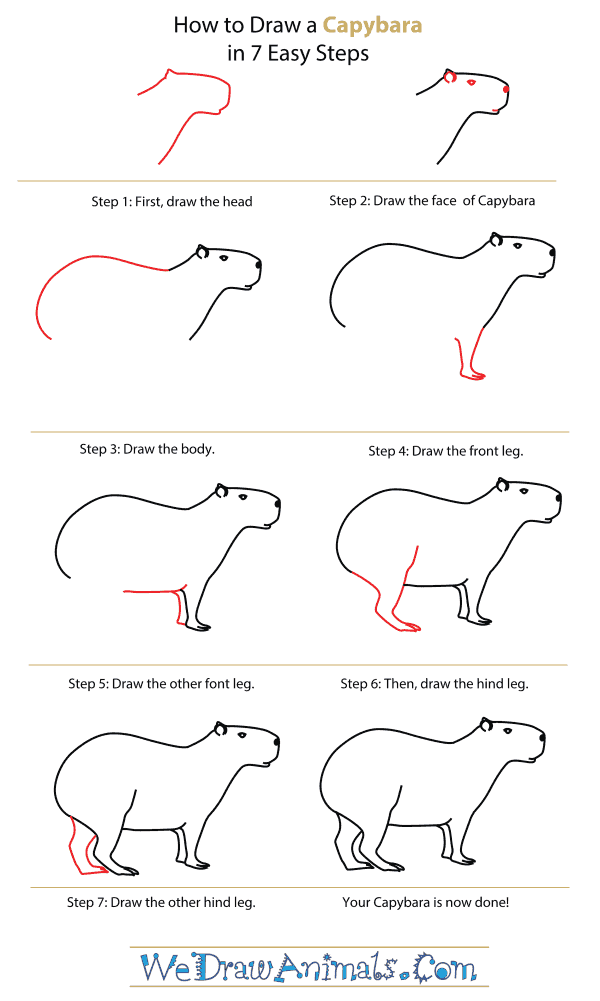
Credit: www.wedrawanimals.com
Capybara Basics
Before drawing a capybara, it helps to know the basics of this animal. Capybaras are the largest rodents in the world. They live near water and have a calm, gentle look. Understanding their shape and features makes drawing easier. Focus on simple shapes and key details to create a nice capybara sketch.
Key Features To Capture
Capybaras have a large, rounded body covered in short fur. Their heads are broad with small eyes and ears. Notice their short snout and wide nose. Their legs are short and strong, with webbed feet for swimming. These features give capybaras a unique, friendly appearance. Draw these details clearly to bring your capybara to life.
Proportions And Shapes
Start with basic shapes: an oval for the body and a circle for the head. The body is much bigger than the head. The legs are short rectangles placed under the body. The ears are small ovals on top of the head. Keep the shapes simple and smooth. This helps in drawing a balanced and realistic capybara.
Step-by-step Drawing
Drawing a capybara can be simple and fun. Follow these clear steps to create a cute and realistic capybara sketch. Each step builds on the last, making the process easy to follow. Let’s start drawing!
Sketching The Body Outline
Begin with a large oval shape for the body. Draw it horizontally to show the capybara’s round form. Add a smaller oval overlapping the front for the head. Use light lines so you can erase later if needed. This basic outline sets the stage for your drawing.
Adding Facial Details
Inside the head oval, draw two small circles for eyes. Place them near the top edge. Sketch a rounded nose at the front center. Draw a curved line below the nose for the mouth. Add subtle lines for whiskers. These details bring the face to life.
Drawing Legs And Feet
Draw four short legs under the body. Each leg should be slightly thicker at the top. Add small oval shapes at the end of each leg for the feet. Make toes by drawing tiny curved lines on each foot. Keep the legs simple and sturdy.
Including Ears And Tail
On top of the head, add two small rounded ears. Place them slightly to the sides. Draw a tiny stub for the tail at the back of the body. The tail should be short and rounded. These final touches complete your capybara sketch.
Refining Your Drawing
Refining your capybara drawing is the step where your sketch starts to look clean and detailed. This phase makes the artwork clear and neat. It helps highlight the unique features of the capybara. Simple changes can make your drawing stand out more. Focus on cleaning lines and adding texture to bring life to your capybara sketch.
Cleaning Up Lines
Start by erasing unnecessary pencil marks. Keep only the main lines that define the shape. Use a sharp eraser for better control. Smooth out rough edges to make the drawing tidy. Darken the final lines with a fine pen or pencil. This step helps your drawing look sharp and clear. Avoid pressing too hard to prevent paper damage.
Adding Texture And Fur
Capybaras have short, coarse fur. Use short, light strokes to mimic this texture. Draw fur direction following the body shape. Add more strokes around the head and back for realism. Keep the strokes gentle and spaced to avoid clutter. Add small details like whiskers and fur around the nose. These touches make your capybara feel alive and natural.
Coloring Tips
Coloring a capybara drawing brings it to life. Good coloring makes the drawing clear and fun to see. Use simple colors and soft shades to keep it natural. Focus on making your capybara look warm and friendly. Use these tips to color your drawing easily and nicely.
Choosing Colors
Pick light brown or tan colors for the body. Capybaras have soft, earthy fur tones. Use darker brown for the nose and ears. Choose a gentle pink or light gray for the mouth area. Select colors that are not too bright or dark. Keep the colors close to nature for a real look.
Shading Techniques
Shade the edges of the body lightly for depth. Use a pencil or brush with soft strokes. Add darker shades under the chin and belly. This shows where shadows fall naturally. Blend colors smoothly to avoid sharp lines. Light shading makes your capybara look soft and round.

Credit: www.youtube.com
Common Mistakes To Avoid
Drawing a capybara can be fun and simple. Avoiding common mistakes helps create a better drawing. These errors often make the capybara look odd or unrealistic. Focus on simple shapes and correct proportions to improve your sketch. Here are some common pitfalls to watch out for.
Incorrect Body Proportions
Capybaras have a round, sturdy body and short legs. Avoid making the legs too long or the body too thin. A well-proportioned body makes your capybara look natural and friendly.
Misplaced Facial Features
Eyes, nose, and mouth must sit correctly on the face. Placing eyes too high or too close can ruin the capybara’s gentle expression. Keep the nose centered and the eyes spaced evenly.
Ignoring The Fur Texture
Capybaras have short, coarse fur. Drawing smooth or fluffy fur looks wrong. Use short, light strokes to show the texture. This adds realism without overcomplicating your sketch.
Overcomplicating The Details
Simple lines often work best. Adding too many details can confuse beginners. Focus on capturing the basic shape and key features first. Details can come later once the main form feels right.
Wrong Ear Shape And Placement
Capybara ears are small and rounded. Drawing large or pointy ears makes your capybara look like a different animal. Place ears near the top of the head and keep them subtle.
Practice Ideas
Practice is key to drawing a capybara easily. Trying different ideas helps improve your skills. It builds confidence and makes your drawings lively. Focus on simple steps and practice often.
Drawing Different Poses
Start by drawing your capybara in simple poses. Try sitting, standing, or walking positions. Use basic shapes like circles and ovals to outline the body. Change the head angle to show different emotions. Sketch the legs in various positions to add movement. Practice these poses several times to get comfortable.
Creating A Capybara Scene
Draw your capybara in a natural setting. Add water, grass, or trees around it. Include other animals or objects to tell a story. Use light lines to map the scene before adding details. This helps your drawing look real and interesting. Keep practicing by changing the background or time of day.
How Capybara World Can Help You with How to Draw a Capybara Easy
Bringing Your Capybara Drawing to Life Through Practice
Once you’ve gathered your materials and followed the step-by-step drawing guide, the real fun begins with refining your capybara sketch. Don’t hesitate to revisit the basics of capybara anatomy to ensure your proportions feel just right—remember, these gentle creatures have a unique, rounded silhouette that gives them their charm. Paying attention to common mistakes like uneven shapes or misplaced features can make a big difference as you practice.
Coloring is another great way to deepen your understanding of these animals. Try experimenting with different shading techniques to capture the soft fur texture and natural tones. This hands-on approach not only improves your drawing skills but also connects you more closely with capybara characteristics, much like how we explore their behavior and habitats at Capybara World.
- Keep practicing regularly to build confidence and develop your own style.
- Compare your drawings with real capybara photos to spot subtle details.
- If you have questions or want feedback, feel free to reach out via hello@capybara-world.com—we’re always happy to chat with fellow fans!
Frequently Asked Questions
How Do I Start Drawing A Capybara Easily?
Begin with simple shapes like circles and ovals to outline the body and head. This helps maintain correct proportions.
What Tools Are Best For Drawing A Capybara?
Use pencils for sketching, erasers for corrections, and fine liners for outlining. Colored pencils add detail and depth.
How Can I Add Realistic Details To My Capybara Drawing?
Focus on the eyes, nose, and fur texture. Use light, short strokes to mimic fur and shading for depth.
What Common Mistakes Should I Avoid When Drawing Capybaras?
Avoid disproportionate body parts and unclear outlines. Take your time to sketch lightly first for adjustments.
Conclusion
Drawing a capybara can be fun and simple. Follow the steps one by one. Practice makes your lines better and smoother. Try adding your own style and details. Keep your drawing tools ready and stay patient. Everyone can create a cute capybara with time.
Enjoy the process and share your art with friends. Drawing helps improve focus and creativity. Start today, and watch your skills grow!


