

Many people see the capybara swimming and wonder: is it a fish? This question might sound funny at first, but there is a real story behind it. In some countries, especially during religious times, capybaras were once allowed to be eaten as fish. This confusion about their identity led to debates, jokes, and even changed some traditions. Let’s explore the world of the capybara, understand what it truly is, and why people sometimes call it a fish.
What Is A Capybara?
The capybara is the largest rodent in the world. Its scientific name is *Hydrochoerus hydrochaeris*. Capybaras are native to South America and are found near rivers, lakes, and wetlands. They can weigh up to 66 kilograms (about 145 pounds) and grow over 1 meter (about 4 feet) long.
Capybaras love the water. They are excellent swimmers, using their slightly webbed feet to move quickly. Their eyes, ears, and nose are on top of their heads, so they can see and breathe while most of their body is underwater.
These traits make them very comfortable living in watery places.
Capybara: Fish Or Mammal?
To answer the main question—is capybara a fish?—we need to look at biology. The simple answer is: No, capybara is not a fish. It is a mammal, just like dogs, cats, and humans.
Mammals have some key features:
- They have hair or fur.
- They give birth to live young (not eggs).
- They feed their babies with milk.
- They breathe air with lungs.
Capybaras have all these traits. They have brown fur, give birth to live babies, and nurse them. Even though they spend a lot of time in water, their bodies are not like fish.
Let’s compare capybaras and fish:
| Feature | Capybara | Fish |
|---|---|---|
| Body Covering | Fur | Scales |
| Breathing | Lungs | Gills |
| Birth | Live young | Eggs (mostly) |
| Milk for Young | Yes | No |
| Habitat | Land & Water | Water |

Credit: www.iflscience.com
Why Do People Call Capybara A Fish?
It may seem strange, but the idea that capybaras are “fish” comes from a mix of tradition and religion. In some parts of South America, especially Venezuela, the Catholic Church once declared capybaras as fish for the purpose of Lent.
During Lent, Catholics avoid eating meat from warm-blooded animals, but fish is allowed.
Long ago, missionaries saw local people eating capybara. They asked the Church if it was okay. Because capybaras live in water and behave like fish, the Church decided they could be eaten during Lent, even though they are mammals. This decision was practical, helping people keep their traditions while following religious rules.
This isn’t the only time such a thing happened. Other water-living animals like beaver and muskrat were also allowed as “fish” in some regions for religious reasons.
Capybara’s Life In Water
Capybaras are not just comfortable in water; their lives depend on it. They use water to:
- Stay cool in hot weather
- Escape from predators like jaguars and caimans
- Find their favorite foods, such as aquatic plants
Capybaras can hold their breath for up to five minutes underwater. Mothers even give birth near water so their babies can quickly escape danger if needed. But, unlike fish, capybaras cannot live only in water—they must return to land to eat grass and rest.
Here’s how capybaras and real fish use water differently:
| Activity | Capybara | Fish |
|---|---|---|
| Breathing | Above water, with lungs | Underwater, with gills |
| Feeding | Both land and water plants | Mainly aquatic food |
| Escape from predators | Swims to hide or flee | Swims continuously |
Capybara’s Place In Nature
Capybaras play an important role in their ecosystem. They eat lots of grass and plants, which helps keep wetlands healthy. They are also prey for big animals like anacondas, caimans, and eagles. Their droppings add nutrients to the water, supporting other wildlife.
Capybaras are social animals. They live in groups of 10-20, but sometimes more than 100 gather together. In these groups, capybaras groom each other, help raise babies, and watch for danger. Their strong family bonds help them survive in the wild.
Surprising Insights About Capybaras
Many people overlook two interesting facts about capybaras:
- Capybaras communicate with many sounds. They bark, purr, and whistle. Each sound has a meaning, like warning the group or calling a baby. This complex language helps keep the group safe.
- Capybaras can adapt to city life. In some South American cities, you can find capybaras living in parks or beside rivers. They often live peacefully with people, showing their flexible nature.
These details show that capybaras are much more than just “big rodents. ” They are intelligent and adaptable animals with rich social lives.

Credit: www.tastingtable.com
Capybara In Human Culture
In addition to the fish story, capybaras appear in legends, stories, and even internet memes. Their calm nature and funny faces have made them popular on social media. Some people even keep them as pets, though this is not always a good idea—they need lots of space, water, and company.
Capybara meat is still eaten in some countries, especially during religious festivals. It is said to taste similar to pork. However, in many places, capybaras are protected by law.
If you want to know more about capybara’s role in culture and history, you can read about it on Wikipedia.
Frequently Asked Questions
Is A Capybara A Fish Or A Mammal?
A capybara is a mammal, not a fish. It has fur, gives live birth, and feeds its young with milk. The confusion comes from religious tradition, not biology.
Why Did The Church Call Capybara A Fish?
The Catholic Church called capybara a fish for Lent because it spends much time in water. This allowed people in Venezuela and nearby regions to eat capybara during religious fasting.
Can Capybaras Live Underwater Like Fish?
No, capybaras can hold their breath and swim well, but they must come up for air. They cannot breathe underwater like fish.
Do Capybaras Eat Fish?
Capybaras are herbivores. They eat grass, aquatic plants, and sometimes fruit—but never fish or meat.
Are Capybaras Related To Guinea Pigs?
Yes, capybaras and guinea pigs are both rodents. Capybaras are the largest rodent in the world, while guinea pigs are much smaller.
Capybaras are not fish, even if tradition once said so. They are fascinating mammals with strong social lives, clever habits, and a special place in both nature and culture. Next time you see a photo of a capybara in water, you’ll know the real story behind the question: is capybara a fish?
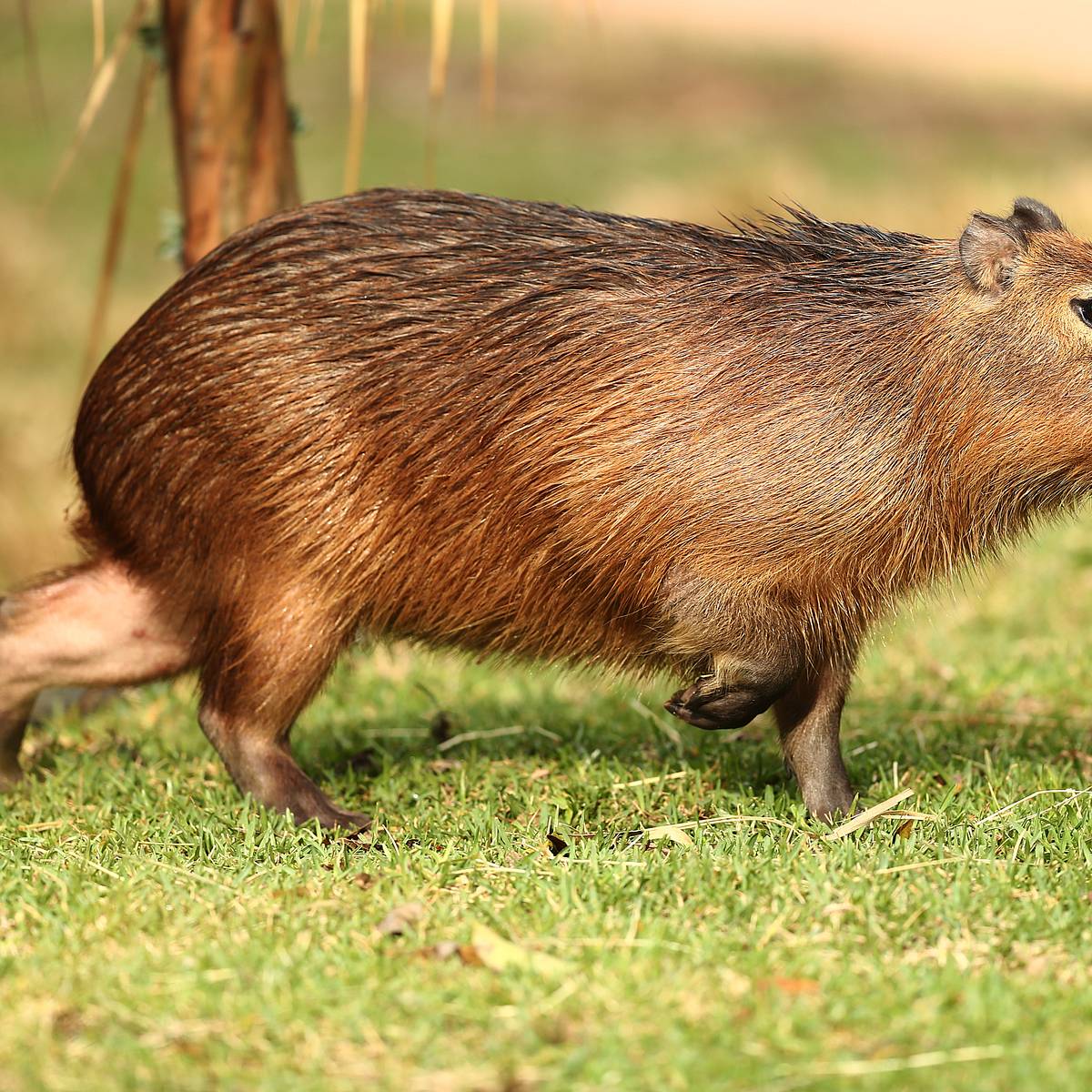
Credit: www.mentalfloss.com


