

Owning exotic pets is a growing trend in the United States, and the capybara—the world’s largest rodent—often catches the eye of animal lovers. These gentle, social animals are native to South America but have become popular as unusual pets. If you live in Georgia and dream of having a capybara, you may wonder if it’s legal. The rules about exotic animals can be complicated, and breaking them can lead to fines or even losing your pet. This article explains everything you need to know about capybara ownership in Georgia—from state laws to practical challenges.
Capybara Legal Status In Georgia
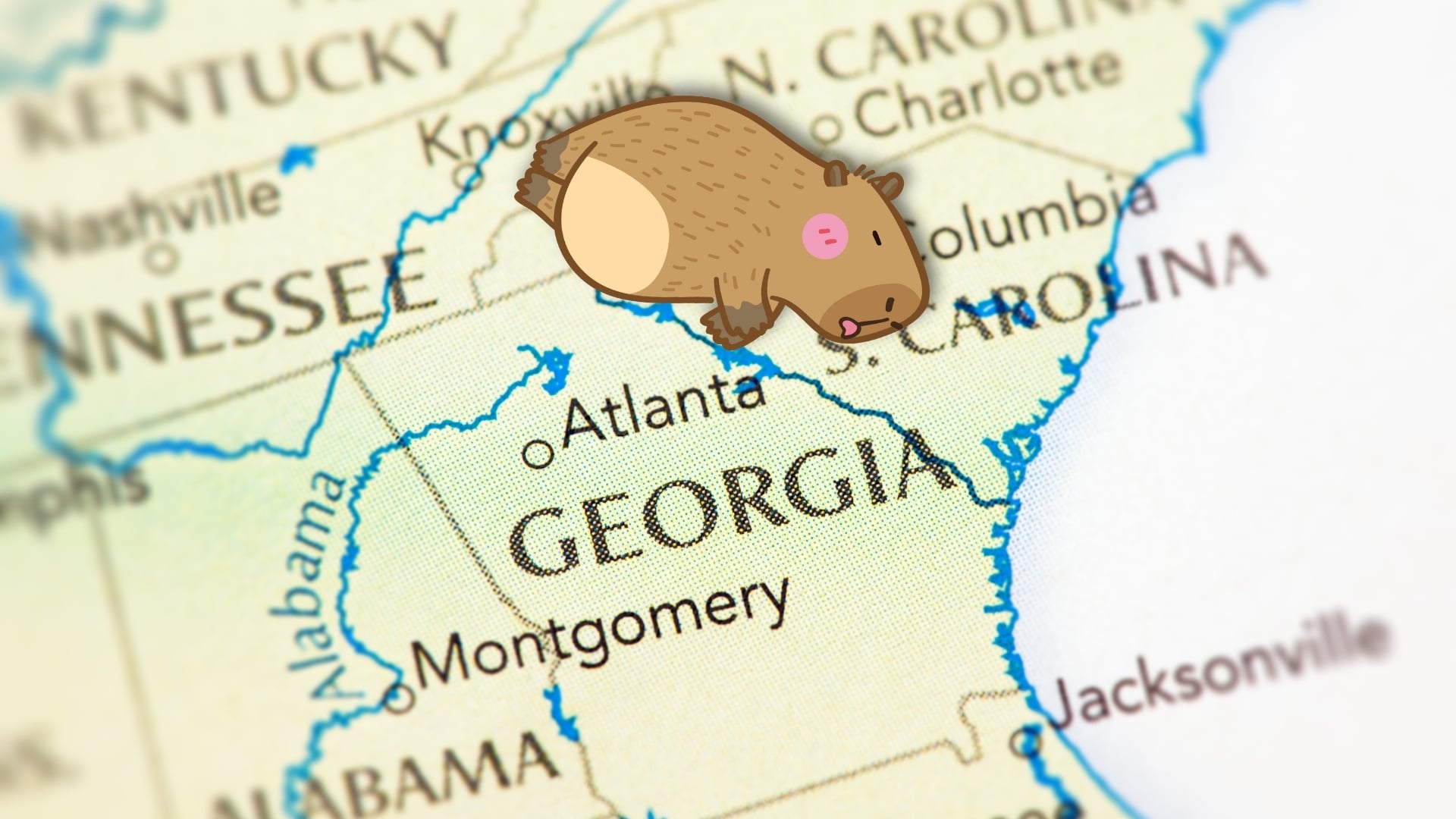
Georgia has some of the strictest exotic animal laws in the United States. The main law is the Georgia Department of Natural Resources (DNR) Regulation 391-4-9-.05, which controls the possession of wild animals. Under these rules, capybaras are classified as “wild animals” because they are not native to the US.
In simple terms, private citizens cannot legally own a capybara in Georgia without a special license. The state’s “wild animal” list includes most non-native mammals, and capybaras are specifically mentioned. Licenses are usually only given to zoos, research centers, or educational institutions. Regular pet owners almost never get approval.
Here’s a look at how Georgia compares to other states:
| State | Private Ownership Allowed? | Permit Available? |
|---|---|---|
| Georgia | No | Only for institutions |
| Texas | Yes | Yes |
| Florida | Yes | Class III permit |
| California | No | No |
Why Are Capybaras Restricted?
Georgia’s wildlife laws are strict for two main reasons. First, public safety is important. Capybaras may seem friendly, but they can bite if scared or mishandled. They are also very strong and need a lot of space. Second, protecting native wildlife is a key goal. Non-native animals can spread disease or escape and harm the local ecosystem.
Even if you have a large yard and a love for animals, the state’s laws do not allow personal ownership. If you buy or keep a capybara without permission, you could face fines, animal seizure, or even criminal charges.
Credit: capybaramag.com
The Permit Process In Georgia
Getting a permit to own a capybara as a private citizen is almost impossible in Georgia. The DNR’s Wild Animal Permit is limited to:
- Zoos
- Licensed wildlife parks
- Research labs
- Educational groups
These permits require strict enclosure standards, staff experience, and regular inspections. For example, you must prove you have:
- Secure fencing to keep the animal inside
- Proper veterinary care plans
- Enough space for exercise and swimming
- Emergency plans for escapes
Private homes do not meet these high standards. If you apply as a pet owner, your application will almost always be denied.
Risks And Penalties
Breaking wildlife laws in Georgia is serious. If you are caught with a capybara, you may:
- Pay fines up to several thousand dollars
- Lose the animal to state authorities
- Get charged with a misdemeanor or worse
The authorities can act on tips from neighbors, veterinarians, or even social media posts. Once a capybara is seized, it’s often sent to a zoo or sanctuary. You won’t get it back.
Here’s a breakdown of possible penalties:
| Offense | Penalty |
|---|---|
| First offense | Fines up to $1,000 |
| Repeated offense | Higher fines, possible jail |
| Animal seizure | Loss of pet, no return |
A common mistake is thinking that buying a capybara in another state and bringing it to Georgia is a “loophole. ” It’s not. The law applies to all capybaras inside Georgia, no matter where you got them.
Credit: www.zoocasa.com
What Makes Capybaras Challenging Pets?
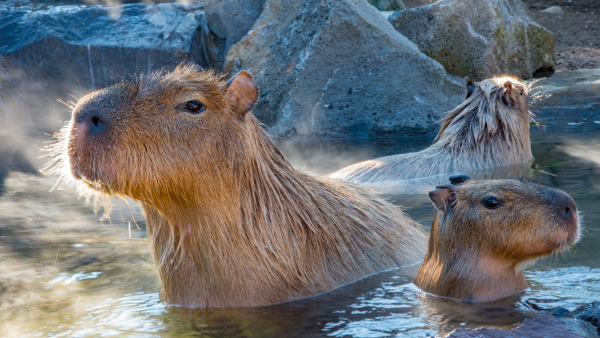
Even in states where it’s legal, capybaras require special care. Many new owners underestimate the costs and effort. These animals need:
- Large outdoor areas with strong fences
- A swimming pool or pond (capybaras love water)
- Special diets (hay, fresh vegetables, vitamin C)
- Social time (they are herd animals and get lonely)
Medical care is also tricky. Few veterinarians in Georgia have experience with capybaras. If your pet gets sick, finding help can be hard and expensive. Capybaras can live 8 to 12 years, so owning one is a long commitment.
Here’s a quick comparison of capybara needs vs. a common pet, like a dog:
| Need | Capybara | Dog |
|---|---|---|
| Space | Large yard, swimming area | Yard or walks |
| Diet | Special hay, veggies | Dog food |
| Vet care | Exotic specialist needed | Regular vet |
| Social needs | Needs a group | Can be alone |
One non-obvious challenge: Capybaras get stressed if kept alone or in small spaces. This can lead to health problems and even aggression.
Alternatives For Capybara Lovers
If you are fascinated by capybaras but live in Georgia, you still have options to enjoy these animals legally:
- Visit a zoo or animal sanctuary: Some Georgia zoos house capybaras. You can watch them up close without breaking any laws.
- Volunteer at wildlife centers: Many facilities welcome help with animal care, including capybaras.
- Travel to capybara-friendly states: Some states allow ownership with a permit. If you plan to move, research the rules ahead of time.
If you want a pet with similar traits, consider guinea pigs or rabbits. They are smaller, legal in Georgia, and share some social behaviors with capybaras.
:strip_icc()/pet-capybaras-giant-guinea-pigs-4101211_final-3d2a80c658db4ef990be09b2cfa6a0fd.png)
Credit: www.thesprucepets.com
Frequently Asked Questions
Can I Get A Permit To Own A Capybara As A Pet In Georgia?
No, the Georgia DNR does not give permits to private citizens for owning capybaras as pets. Permits are only for zoos, research, or education.
Are There Any Exceptions To The Law?
There are no exceptions for private pet owners. Even if you have experience or special housing, the law does not allow capybara ownership in personal homes.
What Happens If I Am Caught With A Capybara?
You can face fines, lose the animal, and even be charged with a crime. The state will remove the capybara, and you will not get it back.
Why Are Capybaras Considered Dangerous?
While capybaras are usually gentle, they can bite hard when scared. They can also carry diseases that affect people or other animals. Their size and strength can be a risk if not handled properly.
Where Can I Learn More About Georgia’s Exotic Animal Laws?
The best source for official rules is the Georgia DNR website. For more details, check the Georgia DNR Exotic Wildlife page.
Owning a capybara in Georgia is not legal for pet owners. If you love these animals, the safest way to enjoy them is through zoos or wildlife centers. By respecting the law, you protect both the animals and your community.


