

Capybaras are one of the world’s most interesting animals. Their gentle nature and odd appearance make people curious. But a common question often arises: Is the capybara a marsupial? The answer is more complex than it seems. Understanding why people get confused requires a closer look at animal families, the capybara’s biology, and what makes marsupials unique.
What Is A Capybara?
The capybara is the largest rodent on Earth. Adult capybaras can reach 60 kilograms (about 132 pounds) and measure over one meter in length. Native to South America, these mammals live near rivers, lakes, and swamps. Capybaras are famous for their webbed feet, which help them swim easily. They spend much of their time in the water to stay cool and hide from predators.
Capybaras are social animals. They often live in groups of 10 to 20, but sometimes over 100 gather in the dry season. Their main diet is grass, but they also eat aquatic plants and fruit. Capybaras are herbivores and play a key role in their ecosystem by helping control plant growth.
What Makes An Animal A Marsupial?
The term marsupial refers to mammals that give birth to very undeveloped young. These babies crawl into a pouch on their mother’s belly, where they continue to develop. The most well-known marsupials are kangaroos, koalas, and opossums.
Marsupials are different from placental mammals. Placental mammals, like humans and dogs, keep their young inside the womb until they are more developed. Marsupials, on the other hand, have a shorter pregnancy and rely on the pouch for the baby’s growth.
The pouch is a key feature, but not all marsupials have a true pouch; some have folds of skin instead.
Marsupials are mostly found in Australia and the Americas. Their unique reproduction sets them apart from other mammals.

Credit: www.reddit.com
Capybara Classification: Where Do They Belong?
Despite their unusual look, capybaras are not marsupials. They belong to the order Rodentia, which includes rats, mice, guinea pigs, and beavers. Capybaras are part of the family Caviidae, closely related to guinea pigs and rock cavies.
Here’s a simple comparison:
| Animal | Order | Main Region |
|---|---|---|
| Capybara | Rodentia | South America |
| Kangaroo | Marsupialia | Australia |
| Guinea Pig | Rodentia | South America |
| Opossum | Marsupialia | Americas |
This table highlights the differences in animal classification. Capybaras are rodents, not marsupials.
Why Do People Think Capybaras Are Marsupials?
Many people confuse capybaras with marsupials for a few reasons:
- Geography: Capybaras and some marsupials, like the opossum, both live in South America. People may link them together because of location.
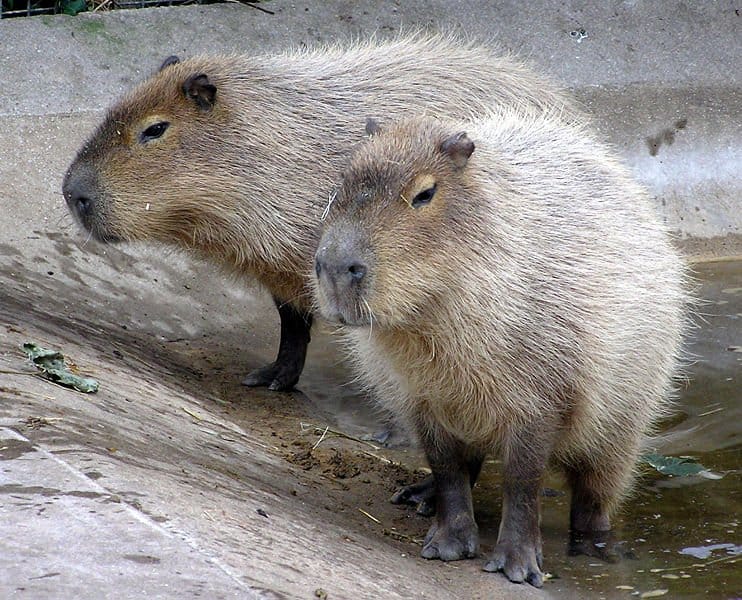
- Body Shape: Capybaras have a bulky body and a face that looks a bit like a wombat, which is a marsupial. This leads to visual confusion.
- Misleading Media: Some cartoons and social media posts show capybaras with pouches or compare them to kangaroos, creating myths.
- Lack of Knowledge: The term “marsupial” is often misunderstood. People sometimes think it means “unusual mammal” instead of a specific group.
Credit: a-z-animals.com
Key Differences Between Capybaras And Marsupials
To clearly see why capybaras are not marsupials, let’s compare their main features.
| Feature | Capybara | Marsupial |
|---|---|---|
| Reproduction | Placental birth, no pouch | Short gestation, pouch or skin fold |
| Classification | Rodent | Marsupial |
| Location | South America | Mainly Australia, some in Americas |
| Closest Relatives | Guinea pig, agouti | Kangaroo, koala |
| Diet | Herbivore | Varies (herbivore, omnivore, carnivore) |
This side-by-side look makes the differences obvious. Capybaras do not have pouches, and their babies are born fully developed compared to marsupials.
Non-obvious Insights About Capybara Biology
- Digestive System: Capybaras have a special digestive process called hindgut fermentation. This allows them to break down tough plant fibers in their large cecum, similar to how horses digest grass. Marsupials, however, do not have this adaptation.
- Water Adaptation: Capybaras can stay underwater for up to five minutes, which helps them escape predators. Marsupials do not usually have these swimming skills.
- Social Structure: Capybaras have complex social groups with clear leaders. Marsupials are usually more solitary or live in smaller family groups.
These differences highlight the unique place of capybaras in the animal kingdom.
Why Correct Classification Matters
Understanding if a capybara is a marsupial is not just a “fun fact. ” Correct classification helps scientists study animal behavior, disease, and conservation. For example, the way capybaras digest food affects grassland management in South America. Mislabeling them as marsupials could confuse research or even harm their protection plans.
Knowing the real family links also helps zoos and wildlife parks give proper care. Capybaras need different food, social space, and medical care than marsupials.
Capybaras In Human Culture
Capybaras have become internet celebrities for their calm attitude. Videos of capybaras relaxing with ducks, monkeys, or even alligators show their peaceful nature. In Japan, capybaras are popular in zoos and hot spring parks, where visitors can watch them soak with citrus fruits.
In some South American countries, capybaras are also raised for meat and leather. Their role in human society is unique compared to that of marsupials, which are not usually domesticated in the same way.
Credit: www.reddit.com
Frequently Asked Questions
Is A Capybara A Rodent Or A Marsupial?
A capybara is a rodent, not a marsupial. It belongs to the same order as guinea pigs and beavers.
Do Capybaras Have Pouches Like Kangaroos?
No, capybaras do not have pouches. Only marsupials like kangaroos, koalas, and opossums have pouches.
Where Do Capybaras Live?
Capybaras are found in South America, especially near rivers, lakes, and wetlands.
How Are Capybara Babies Born?
Capybara babies are born fully developed after a long pregnancy. They do not need a pouch like marsupial young.
What Animals Are True Marsupials?
True marsupials include kangaroos, koalas, wombats, and opossums. Capybaras are not part of this group. For more detailed marsupial information, check the Marsupial Wikipedia page.
Capybaras are not marsupials, despite common myths. They are unique rodents with fascinating habits. Understanding their true place in the animal kingdom helps us appreciate their role in nature and avoid confusion. Next time you see a capybara, you’ll know exactly what makes it special.


