

Owning an exotic animal can be exciting, and the capybara is one of the most unusual pets you might consider. These gentle giants are the world’s largest rodents, known for their calm nature and social behavior. But before you imagine a capybara lounging in your backyard in Texas, it’s important to understand the legal requirements, practical challenges, and ethical questions involved. Many people are surprised by how complex the laws and responsibilities can be, especially for non-native animals like capybaras.
Capybara Ownership Laws In Texas
Texas is known for its diverse wildlife laws. Unlike some states, Texas does not have blanket bans on exotic pets, so rules can depend on the animal’s risk, local regulations, and your location.
State Regulations
Texas classifies capybaras as non-dangerous exotic animals. They are not listed among restricted or prohibited animals such as lions, tigers, or bears. You do not need a statewide permit to own a capybara. However, this does not mean ownership is simple or risk-free.
Local Ordinances
Even though state law is flexible, city and county laws may be stricter. For example, urban areas like Houston or Dallas can have bans or require permits for exotic pets. Rural counties may be more relaxed but still have rules about animal welfare.
If you plan to own a capybara, always check both state and local regulations. Some cities require inspections or limit the number of exotic animals per household.
Usda And Federal Laws
Capybaras are not federally banned, but if you plan to breed, sell, or exhibit them, you may need a USDA license. For personal ownership, federal laws rarely apply, but you must ensure the animal’s welfare meets standards.
Getting A Capybara: Legal And Ethical Considerations
Legal Path To Ownership
To legally own a capybara in Texas:
- Check Local Rules: Contact your city or county animal control.
- Verify State Law: Texas does not require a permit, but confirm this hasn’t changed.
- Animal Welfare: Ensure your setup meets humane standards.
Ethical Concerns
Capybaras are social animals that need companionship. Keeping a single capybara can lead to loneliness and stress. Many experts recommend owning at least two. Also, capybaras need large spaces, water access, and proper diets.
Ignoring these needs can lead to legal trouble. Texas animal cruelty laws apply to all pets, including exotic ones.

Credit: www.thedunhamfarm.com
Practical Challenges Of Owning A Capybara
Owning a capybara is not the same as owning a cat or dog. These animals require specific care and can live up to 12 years.
Housing And Space
Capybaras need:
- A large outdoor enclosure (at least 1000 sq ft)
- Access to water for swimming
- Secure fencing (capybaras can escape easily)
Diet And Health
A healthy capybara diet includes:
- Fresh grasses
- Vegetables like carrots and sweet potatoes
- Occasional fruits
They also need regular check-ups with an exotic animal vet. Veterinary care can be expensive and is not available in every area.
Social Needs
Capybaras are herd animals. Having only one can cause behavioral problems. Owners should consider adopting at least two capybaras to meet their social needs.
Cost Comparison
To understand the expenses, compare capybara ownership with common pets.
| Pet Type | Initial Cost | Annual Expenses | Special Requirements |
|---|---|---|---|
| Capybara | $1,000–$4,000 | $800–$2,000 | Large enclosure, water access |
| Dog | $50–$500 | $500–$1,000 | Standard yard, common vet |
| Cat | $10–$300 | $300–$800 | Litter box, small space |
Common Misunderstandings About Capybara Ownership
Many people think capybaras are simple pets because they look gentle. But they have unique needs.
- Capybaras are not low-maintenance. They need special care, social interaction, and large spaces.
- Legal approval is not automatic. Even if Texas allows capybaras, your city may not.
- Veterinary care is challenging. Not all vets can treat exotic animals like capybaras.
A less obvious insight is that capybaras can carry diseases that affect other pets, so mixing them with dogs or cats needs caution. Another is their chewing behavior; capybaras will gnaw on wood, plastic, and even garden hoses, which can damage your property if not managed.
Where To Buy A Capybara In Texas
You should only buy capybaras from licensed breeders. Avoid illegal imports or sellers who lack proper paperwork.
Buying Process
- Ask for health records.
- Verify breeder credentials.
- Request proof of legal compliance.
Texas does not regulate capybara breeding as strictly as some animals, but buying from the right source protects you from legal or health issues.
Capybara Ownership Compared To Other Exotic Pets
Capybaras are legal in more states than some exotic pets. For example, Texas allows capybaras but bans certain primates and big cats.
| Exotic Pet | Legal in Texas | Permit Needed |
|---|---|---|
| Capybara | Yes | No (personal pet) |
| Monkey | No | Not allowed |
| Big Cat | No | Not allowed |
| Hedgehog | Yes | No |
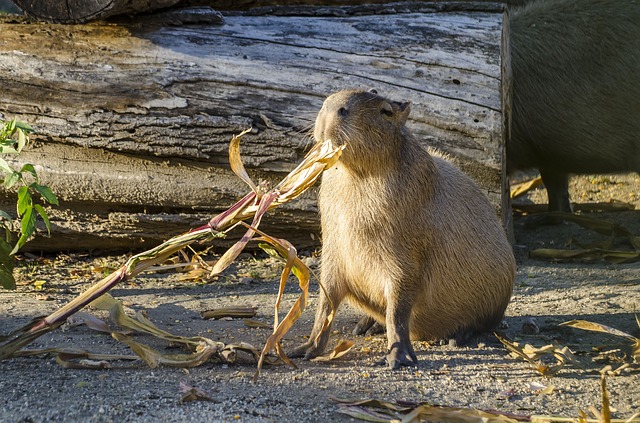
Credit: capybarafacts.com
Preparing Your Home For A Capybara
Before bringing home a capybara, you need to make changes:
- Build a secure, large enclosure.
- Install a swimming pond.
- Remove toxic plants.
- Find a local exotic vet.
- Prepare for regular cleaning and care.
A practical tip: Capybaras can be litter trained, but it takes patience. Also, they are sensitive to extreme heat and cold, so climate control is important.
Responsible Ownership And Community Impact
Capybaras can escape and cause problems if not contained. Escaped capybaras may damage gardens or become a traffic hazard. Owners are responsible for preventing escapes and ensuring safety.
Neighbors may be concerned about noise or smell. Good communication can prevent complaints and legal issues.
If you ever cannot care for your capybara, contact rescue groups or zoos. Never release them into the wild; it is both illegal and harmful.
:strip_icc()/pet-capybaras-giant-guinea-pigs-4101211_final-3d2a80c658db4ef990be09b2cfa6a0fd.png)
Credit: www.thesprucepets.com
Frequently Asked Questions
Can I Own A Capybara In Texas Without A Permit?
Yes, Texas does not require a permit for personal ownership of a capybara. Local cities or counties may have additional rules, so always check before buying.
Is It Safe To Keep A Capybara With Other Pets?
Capybaras can live peacefully with dogs and cats if introduced slowly. However, they may carry diseases and chew on household items, so supervision is needed.
How Much Space Does A Capybara Need?
A single capybara needs at least 1000 sq ft of outdoor space and access to water. Owners should also provide shelter and secure fencing.
What Do Capybaras Eat?
Capybaras eat fresh grasses, vegetables, and fruits. Their diet must be balanced to avoid health issues. Consult an exotic animal vet for guidance.
Are Capybaras Good Pets For Families?
Capybaras are gentle but require special care. They are not ideal for families with small children or limited space. Experienced pet owners do best.
Owning a capybara in Texas can be legal and rewarding, but it demands careful planning, responsible care, and respect for both legal and ethical standards. Always check local laws, prepare your home, and understand the unique needs of these fascinating animals. For more detailed legal guidance, visit the Texas Government site. With the right approach, capybaras can thrive as pets and bring joy to responsible owners.


