

Capybaras are the world’s largest rodents, famous for their calm nature and love of water. But what do these gentle giants actually eat? Their diet is more complex and fascinating than many people think. Whether you’re curious about capybaras in the wild or considering one as a pet, understanding their food habits is essential.
A capybara’s health, behavior, and even lifespan depend on what it eats every day.
Natural Diet Of Capybaras
Capybaras are herbivores, which means they eat only plant-based foods. In the wild, their diet mainly consists of grasses and aquatic plants. They have a special way of digesting food, thanks to their unique digestive system.
During the wet season, capybaras feed on a variety of fresh grasses. These can include more than 100 different plant species, such as Bermuda grass, pampas grass, and reed. In the dry season, when grasses are less available, they eat more reeds, grains, tree bark, and even fruits if they find them.
One non-obvious insight: Capybaras are selective grazers. They often choose the most nutritious parts of plants, especially young shoots and leaves, which have higher protein and lower fiber.
How Much Do Capybaras Eat?
A typical adult capybara eats about 6 to 8 pounds (2.7 to 3.6 kg) of grass daily. Their large size and active lifestyle mean they need a lot of food to stay healthy. They can spend up to 6 hours a day grazing, often in the early morning and late afternoon.
Capybara Diet In Captivity
When capybaras are kept in zoos or as pets, their diet needs to mimic what they eat in the wild as closely as possible. This is important because their digestive system is designed for high-fiber, low-sugar foods.
Common Foods For Captive Capybaras
- Fresh grasses: Timothy hay, Bermuda grass, orchard grass
- Leafy greens: Romaine lettuce, kale, dandelion greens
- Vegetables: Carrots, squash, zucchini
- Fruits: Apples, melons, bananas (only as treats due to sugar)
- Aquatic plants: Water hyacinth, duckweed (if available)
- Commercial rodent pellets: Specially formulated for capybaras or guinea pigs
Foods To Avoid
Some foods can be harmful to capybaras:
- Iceberg lettuce (low nutrition, can cause diarrhea)
- Onions, garlic, and chives (toxic to rodents)
- Processed foods, bread, dairy, or meat
One common mistake is feeding too much fruit or high-sugar vegetables. Capybaras have sensitive stomachs and too much sugar can lead to digestive problems.
Sample Daily Diet For A Pet Capybara
| Food Type | Recommended Amount | Notes |
|---|---|---|
| Fresh hay/grass | Unlimited | Main food source |
| Leafy greens | 2-3 cups | Variety is important |
| Vegetables | 1 cup | Rotate types |
| Fruit | Small pieces, 2-3 times/week | Treat only |
| Rodent pellets | 1/4 cup | Supplement |
Why Fiber Is So Important
Capybaras have a special digestive system called hindgut fermentation. This means they need a lot of fiber to keep their gut healthy. Without enough fiber, they can develop serious problems like bloat or impaction.
One unique behavior is coprophagy. Capybaras eat their own soft feces, usually early in the morning. This helps them absorb more nutrients, especially B vitamins, from their food. This might sound unusual, but it’s essential for their health.
Comparing Wild And Captive Diets
There are key differences between what capybaras eat in the wild and in captivity. Wild capybaras have access to a wider range of plants, while captive ones rely on what humans provide.
Here’s a comparison:
| Aspect | Wild Capybara | Captive Capybara |
|---|---|---|
| Main foods | Fresh grasses, aquatic plants | Hay, greens, vegetables, pellets |
| Diet variety | 100+ plant species | Limited, based on availability |
| Feeding time | Grazes all day | Usually fed twice daily |
| Supplements | Natural, from plants | May need vitamin/mineral supplements |

Credit: www.wildlifenomads.com
Seasonal Changes In Diet
Capybaras adapt their eating habits based on the season:
- Wet season: More soft, green grasses are available.
- Dry season: Eat more tough plants, reeds, and sometimes tree bark.
This ability to switch foods helps them survive in changing environments. However, in captivity, it’s important to provide a consistent diet to avoid digestive upsets.
Water Needs
Capybaras not only eat plants with high water content, but they also drink a lot of water. They need constant access to clean, fresh water. Dehydration can quickly lead to health problems.
Interestingly, in the wild, capybaras often eat while sitting in shallow water. This keeps them cool and helps them avoid predators.
Key Nutritional Needs
To stay healthy, capybaras require:
- High fiber: For digestive health
- Low sugar: To prevent obesity and diabetes
- Calcium and Vitamin C: For strong teeth and bones
Capybaras’ teeth grow continuously, so chewing tough plants is necessary to wear them down. Without enough roughage, their teeth can become too long, causing pain and eating problems.
Special Diet Concerns
Capybaras are prone to:
- Obesity: If given too many treats or pellets
- Vitamin C deficiency: Can lead to scurvy, especially in captivity
- Dental issues: Caused by soft, low-fiber diets
Expert tip: Always consult a veterinarian with experience in exotic animals before changing a capybara’s diet.
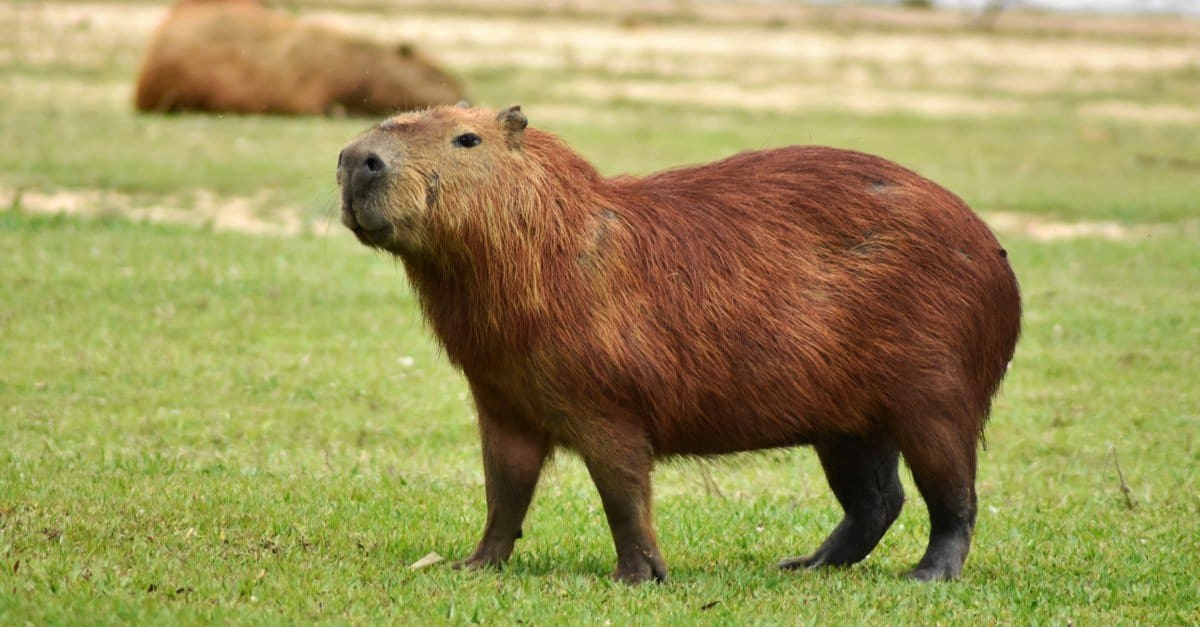
Credit: a-z-animals.com
Fun Fact: Capybara Diet And The Environment
Capybaras play an important role in their ecosystem. By eating large amounts of grass and aquatic plants, they help control plant growth and keep waterways open. Their droppings also add nutrients to the soil, supporting other wildlife.
For more detailed scientific information, check the Wikipedia page on Capybaras.
Frequently Asked Questions
What Do Capybaras Eat In The Wild?
Capybaras mainly eat grasses, aquatic plants, reeds, and sometimes fruits or tree bark, depending on the season. Their diet changes with what’s available in their habitat.
Can Capybaras Eat Fruit?
Yes, but only in small amounts. Fruits are high in sugar, which can cause digestive problems if fed too often. Treats like apples or melons are fine once or twice a week.
How Often Should You Feed A Pet Capybara?
Pet capybaras should have constant access to hay or fresh grass, with vegetables and greens offered daily. Fruits and pellets should be limited to avoid health issues.
Are There Any Foods That Are Dangerous For Capybaras?
Yes. Avoid feeding capybaras onions, garlic, iceberg lettuce, processed foods, bread, dairy, or meat. These can cause illness or digestive problems.
Do Capybaras Need Supplements?
In captivity, capybaras may need Vitamin C supplements, especially if their diet lacks fresh greens. Always consult a vet to make sure they are getting the right nutrients.
Capybaras’ diet is more than just eating grass—it’s about balance, variety, and meeting their unique nutritional needs. With the right diet, these gentle giants can live long, happy lives whether in the wild or as cherished companions.

Credit: palotoaamazontravel.com


