

Have you ever wondered who hunts capybaras in the wild? These gentle giants might look calm and slow, but they have to stay alert to survive.
Understanding capybaras’ predators can give you a surprising look into the balance of nature and how these creatures protect themselves. Keep reading to discover which animals pose a threat to capybaras and how these fascinating rodents stay safe in their natural homes.
Your curiosity about the wild is about to be rewarded!
Credit: www.reddit.com
Capybara Habitat And Behavior
Capybaras live in unique habitats and show interesting behaviors. Knowing their habitat and habits helps us understand their predators better. These gentle creatures depend on water and land for survival. Their daily actions and social life affect how they stay safe.
Natural Environment
Capybaras live near rivers, lakes, and wetlands. They need water to stay cool and escape predators. South America’s tropical forests and grasslands suit them well. These areas have tall grass and bushes. Such places offer food and hiding spots.
Social Structure
Capybaras live in groups of 10 to 20 animals. Groups include males, females, and young ones. This social life helps protect them from danger. They watch each other and warn when predators come close. Group living makes it harder for predators to attack.
Daily Activities
Capybaras spend much time eating grass and plants. They rest near water during hot parts of the day. Swimming is common and helps them escape threats. At night, they are more active and move around. Their daily routine helps avoid many predators.
Credit: www.nature-myview.com
Primary Predators Of Capybaras
Capybaras live in South America’s wetlands and forests. They face many dangers from wild animals. Their main predators are strong hunters that can catch them despite their size. These predators are very skilled and use different tactics to hunt.
Capybaras rely on their speed and water skills to escape. Still, some animals are very patient and powerful. They wait for the right moment to attack. Here are the primary predators that capybaras must watch out for.
Jaguars
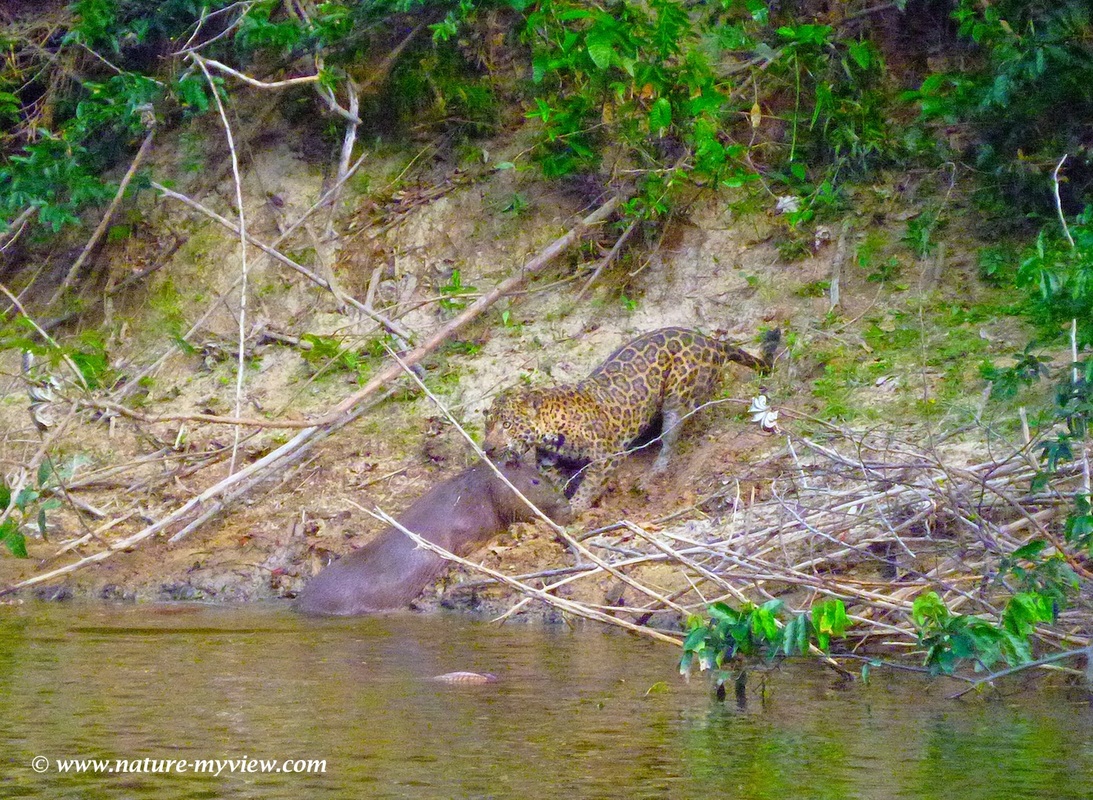
Jaguars are the top predators of capybaras. They are strong and silent hunters. Jaguars use stealth to get close before pouncing. Their powerful jaws can crush the skull of a capybara quickly. They often hunt near water, where capybaras like to stay.
Caimans
Caimans are reptiles that live in rivers and swamps. They wait underwater for capybaras to drink or swim. With a sudden snap, they grab their prey. Caimans have strong teeth and quick reflexes. Capybaras must be alert near water to avoid them.
Anacondas
Anacondas are large snakes found in wet areas. They hunt by hiding in the water or grass. Anacondas squeeze their prey tightly until it cannot breathe. Capybaras can be easy targets if they are alone. These snakes are patient and strike without warning.
Other Threats To Capybaras
Capybaras face many dangers besides wild predators. These threats come from different sources and affect their survival. Understanding these risks helps protect these gentle creatures better.
Birds Of Prey
Large birds like hawks and eagles hunt young capybaras. These birds spot them easily in open areas. The smaller and weaker capybaras are most at risk. The birds swoop quickly to catch their prey.
Humans
Humans threaten capybaras through hunting and habitat loss. People hunt them for meat and fur. Cutting down forests removes their homes and food sources. Pollution in water also harms their health.
Domestic Animals
Dogs and other pets can attack capybaras near human settlements. These animals chase or bite them, causing injury or stress. Domestic animals may also spread diseases to capybaras. This threat grows as cities expand into wild areas.
Credit: a-z-animals.com
Capybara Defense Mechanisms
Capybaras face many predators in the wild. They use several defense methods to stay safe. These methods help them avoid danger and survive in tough environments. Understanding these defense mechanisms reveals how capybaras protect themselves effectively.
Camouflage And Hiding
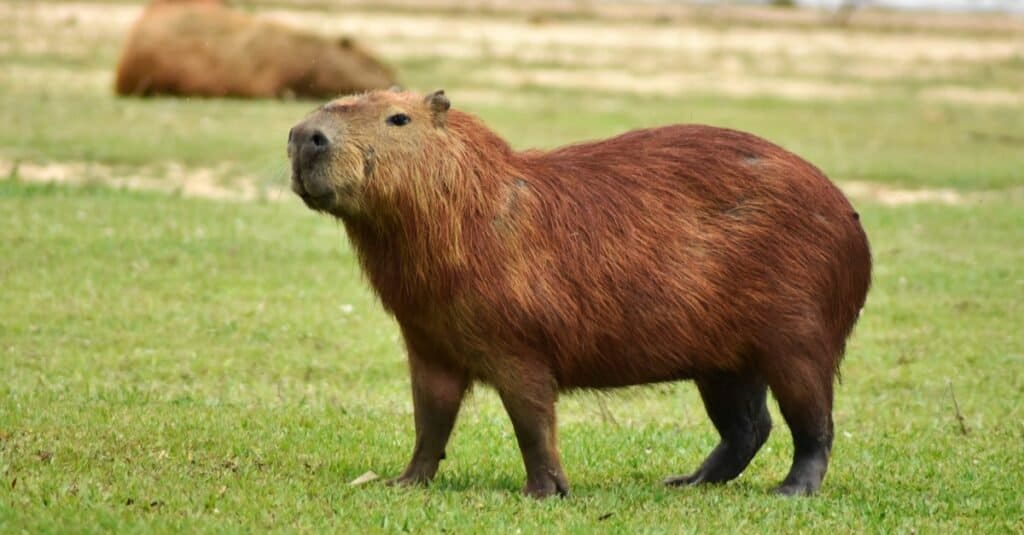
Capybaras have brown fur that blends with grass and mud. This natural camouflage helps them stay unseen by predators. They often freeze and stay very still to avoid drawing attention. They hide in tall grass or near water plants to stay safe.
Swimming Skills
Capybaras are excellent swimmers. They use water to escape from threats quickly. Their eyes and nostrils sit high on their heads for easy breathing while swimming. They can stay underwater for up to five minutes to avoid danger.
Group Protection
Capybaras live in groups, which helps protect them from predators. Many eyes watch for danger at once. When one capybara senses a threat, it makes a warning sound. The group then moves together to a safer place. Safety lies in numbers for these social animals.
Impact Of Predators On Capybara Population
Predators have a strong effect on the capybara population. They control how many capybaras live in an area. This control helps keep the population healthy. Without predators, the capybara numbers could grow too large. This could cause problems for the environment and other animals.
Population Control
Predators keep the capybara population in check. They hunt the weaker and older capybaras. This helps the strongest capybaras survive and reproduce. A balanced population prevents food shortages. It also reduces disease spread among capybaras.
Ecosystem Balance
Capybaras are an important part of their ecosystem. Predators help maintain balance by managing capybara numbers. This balance supports plant life and other animals. If capybaras become too many, they can harm the environment. Predators stop this by limiting capybara growth.
How Capybara World Can Help You with What are Capybaras Predators
Learning from Capybara Predators: Practical Insights
Understanding what capybaras’ predators are offers more than just fascinating facts—it opens doors to practical learning about their survival strategies and habitat needs. When you explore primary predators alongside capybara defense mechanisms, you get a clearer picture of how these gentle giants navigate threats in their wetland homes. This knowledge is invaluable for anyone interested in wildlife behavior or conservation efforts.
For instance, knowing how predators impact capybara populations helps us appreciate the delicate balance within their ecosystem and highlights why preserving their habitat is crucial. Whether you’re a curious animal lover, a parent sharing educational content with kids, or a prospective pet owner wanting to understand natural behaviors, diving into these topics can deepen your connection to capybaras.
- Observe capybara vigilance patterns in nature documentaries or local reserves
- Research how habitat changes influence predator-prey dynamics
- Engage with expert-reviewed resources for accurate care and conservation info
If you want to explore more or have questions about capybara behavior and threats, feel free to reach out at hello@capybara-world.com. Sharing knowledge is how we all help these chill creatures thrive.
Frequently Asked Questions
What Animals Commonly Prey On Capybaras?
Capybaras are preyed upon by jaguars, pumas, anacondas, and caimans. These predators target capybaras mainly near water sources where they live.
How Do Capybaras Avoid Predators?
Capybaras use their excellent swimming skills to escape predators. They stay in groups for protection and remain alert to danger.
Are Humans A Threat To Capybaras?
Yes, humans hunt capybaras for meat and hide. Habitat destruction by humans also threatens their survival in the wild.
Do Capybaras Have Natural Defense Mechanisms?
Capybaras rely on speed and swimming to evade predators. They also use vocal warnings to alert the group of danger.
Conclusion
Capybaras face many natural predators in the wild. Jaguars, anacondas, and caimans hunt them often. These animals rely on speed and stealth to catch capybaras. Despite threats, capybaras use water and group safety to survive. Understanding their predators helps protect these unique creatures.
Nature’s balance depends on all animals playing their roles. Capybaras show how prey animals adapt and stay alert. Their survival depends on quick thinking and strong instincts.


