

Capybaras are unusual animals that often surprise people with their unique behaviors and gentle nature. If you have seen photos of large, friendly rodents sitting calmly in a hot spring or surrounded by other animals, you have met the world’s largest rodent.
But there’s much more to know about these fascinating creatures. Let’s dive into some fun facts about capybaras that will make you see them in a new light.
Capybaras: The Gentle Giants
Capybaras are known for their large size and calm personality. Native to South America, these animals can weigh up to 66 kg (145 lbs). They look a bit like giant guinea pigs and can grow up to 1.3 meters (4.3 feet) long. Despite their size, capybaras are very peaceful and rarely show aggression.
Another interesting point is how well they get along with other animals. You will often see photos of birds, monkeys, or even cats sitting on capybaras. They seem to accept other animals easily, which makes them popular in zoos and animal sanctuaries.
Masters Of The Water
Capybaras are semi-aquatic mammals. This means they spend a lot of time in water. They have webbed feet, which help them swim easily. Capybaras can hold their breath underwater for up to five minutes. This skill helps them escape from predators like jaguars or caimans.
Here’s a quick comparison between capybaras and other swimming animals:
| Animal | Swimming Skill | Max Time Underwater |
|---|---|---|
| Capybara | Excellent | 5 minutes |
| Beaver | Very Good | 15 minutes |
| Otter | Excellent | 8 minutes |
| Guinea Pig | Poor | Less than 1 minute |
Capybaras’ eyes, ears, and nose are placed high on their heads. This allows them to see, hear, and breathe while most of their body stays underwater.
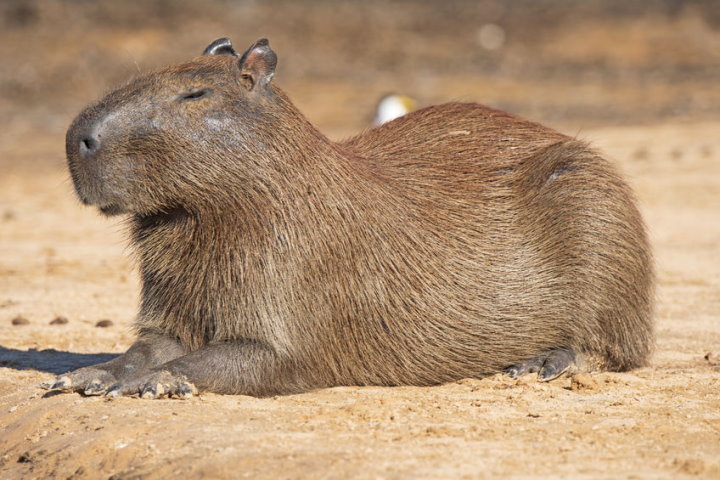
Credit: www.savacations.com
Social Life And Communication
Capybaras are very social animals. They live in groups that can be as small as 10 or as large as 100 during the dry season when water is limited. Living in groups helps them stay safe from predators.
They also have a complex way of communicating. Capybaras use sounds like barks, whistles, purrs, and clicks. Each sound means something different. For example, a bark warns the group of danger, while a whistle calls the young ones.
Here is a breakdown of their group life:
| Group Size | Season | Purpose |
|---|---|---|
| 10-20 | Rainy | Normal living |
| 50-100 | Dry | Staying near water |
Unique Eating Habits
Capybaras are herbivores, which means they eat only plants. Their main diet includes grasses, aquatic plants, fruits, and tree bark. What surprises many people is their special way of eating called coprophagy. This means they eat their own soft poop to digest food better and get more nutrients.
Capybaras need a lot of food each day. An adult can eat up to 3 kg (6. 6 lbs) of grass in 24 hours. During the dry season, they may eat reeds or even cultivated crops, which sometimes causes problems with farmers.
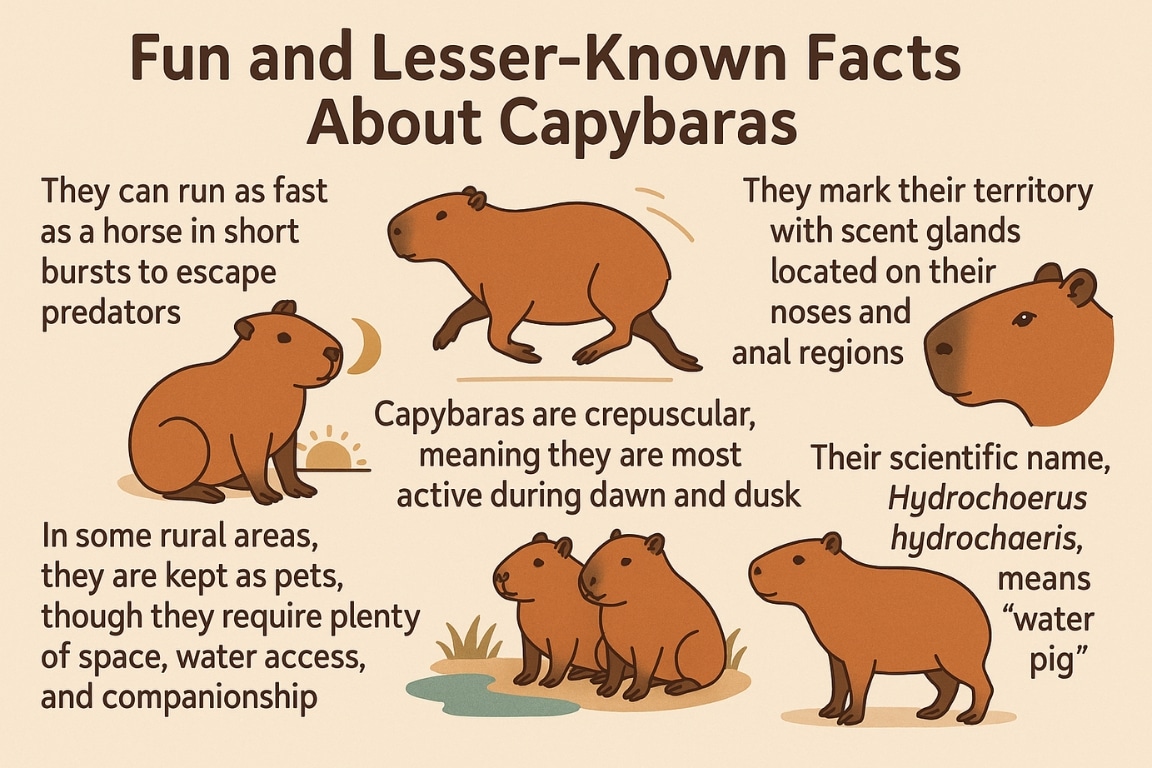
Credit: capybaramag.com
Capybaras And Humans
People in South America have known about capybaras for centuries. In some areas, they are hunted for their meat and skin. In other places, people keep them as pets. However, owning a capybara is not easy. They need lots of space, water to swim in, and the company of other capybaras to stay happy.
Some zoos and parks create special habitats for capybaras. These enclosures have ponds, grass, and shade. Visitors enjoy watching their calm behavior and social interactions. Capybaras have become internet stars, too, with videos and memes showing their friendly side.
Surprising Adaptations
Capybaras have several interesting adaptations. Their teeth grow all the time, like those of rabbits and beavers. Chewing on tough plants keeps their teeth from getting too long.
Their skin is another adaptation. Capybara skin dries quickly, which is helpful in hot climates. Their sweat glands are located in a special spot, on the surface of the hairy skin, unlike most mammals.
One more fascinating fact is that capybaras can sleep in water. They keep their noses above the surface while the rest of their body is submerged. This helps them stay cool and safe from land predators.

Credit: www.youtube.com
Capybaras In The Animal Kingdom
Capybaras are part of the rodent family, which also includes guinea pigs, beavers, and porcupines. Among rodents, capybaras are the largest. Here is a quick comparison of size among well-known rodents:
| Rodent | Average Weight | Average Length |
|---|---|---|
| Capybara | 40-66 kg | 1.1-1.3 m |
| Beaver | 11-32 kg | 0.74-1.2 m |
| Guinea Pig | 0.7-1.2 kg | 0.2-0.25 m |
| Mouse | 0.02-0.05 kg | 0.07-0.10 m |
Non-obvious Insights About Capybaras
Many people do not know that capybaras can sometimes act as “ecosystem engineers.” By eating large amounts of plants near water, they help keep rivers and wetlands healthy. Their grazing prevents some plants from taking over, which helps other species survive.
Another less-known fact is their role in tick control. Birds such as capybara cowbirds often follow capybaras and eat ticks off their bodies. This natural cleaning benefits both animals and helps control tick populations.
Capybaras And Conservation
Capybaras are not endangered. Their population is stable in the wild, thanks to their adaptability. However, habitat loss and hunting can affect local groups. Conservation efforts focus on protecting wetlands and responsible management.
If you want to learn more about capybaras and their environment, check the Wikipedia page on Capybaras for more detailed information.
Frequently Asked Questions
What Do Capybaras Eat Most Of The Time?
Capybaras mainly eat grasses and aquatic plants. They sometimes eat fruits and tree bark, especially during the dry season when grass is less available.
Are Capybaras Dangerous To Humans?
No, capybaras are gentle and shy. They rarely bite or attack unless they feel very threatened. In the wild, they prefer to run or swim away from danger.
Can Capybaras Be Kept As Pets?
It is possible, but not easy. Capybaras need lots of space, water, and social interaction. They do best in groups, so keeping only one can make them lonely and stressed.
How Long Do Capybaras Live?
In the wild, capybaras live about 8 to 10 years. In zoos or as pets with good care, they can sometimes reach 12 years.
Why Do So Many Animals Like Capybaras?
Capybaras are peaceful and do not show aggression. This makes them good companions for other animals, who often rest or play near them without fear.
Capybaras are full of surprises. Their gentle nature, social life, and unique adaptations make them one of the most fascinating animals you can learn about. Whether in the wild or in a zoo, watching capybaras is always a joy.


