

Petting a capybara is a unique experience that attracts animal lovers of all ages. These gentle, social rodents are the largest in the world, and their calm nature makes them popular at zoos and animal encounters. If you live in Pennsylvania or plan to visit, you might wonder: where can you actually meet and pet a capybara? In this guide, you’ll discover the top places in Pennsylvania to interact with capybaras, what to expect, tips for a great visit, and important rules to keep in mind.
Where To Pet A Capybara In Pennsylvania
Finding places to pet a capybara in Pennsylvania is not as simple as visiting a regular petting zoo. Capybaras need special care and housing, so only a few facilities offer close interactions. Here are the most popular and reputable spots.
1. Jungle Wonder (audubon, Pa)
Jungle Wonder is a family entertainment center with a small animal encounter area. They have capybaras you can observe, and on select days, they offer supervised petting sessions. Staff guide visitors and share facts about the animals.
- Key details: Advance booking is required for animal encounters.
- Petting rules: Clean hands, gentle touch only, no feeding allowed.
- Best for: Families with young children.
2. Clyde Peeling’s Reptiland (allenwood, Pa)
While mainly known for reptiles, Reptiland sometimes features capybara encounters during special events. Visitors can meet and lightly pet the capybaras under staff supervision.
- Key details: Encounters are not daily; check the event calendar.
- Petting rules: Follow staff instructions, no sudden movements.
- Best for: Visitors seeking an educational experience.
3. Sartore Farms (mcveytown, Pa)
Sartore Farms is a private farm that occasionally offers capybara meet-and-greet sessions. These are typically small-group tours where you can interact with the animals in a relaxed setting.
- Key details: Reservation only; dates fill quickly.
- Petting rules: Only pet capybaras when a handler is present.
- Best for: Adults and older children interested in exotic pets.
4. Pittsburgh Zoo & Aquarium
The Pittsburgh Zoo sometimes includes capybara animal encounters in their summer programs or special zoo events. While the capybaras are usually on display, hands-on encounters are limited to specific times.
- Key details: Check the zoo’s “Wild Encounters” schedule.
- Petting rules: Only during official encounters; no personal photos with capybaras.
- Best for: Families and school groups.
5. East Coast Exotic Animal Rescue (fairfield, Pa)
This sanctuary occasionally allows visitors to get close to capybaras during guided tours. Petting is not always guaranteed, but educational talks and feeding demonstrations happen often.
- Key details: Tours by appointment; petting may depend on animal mood.
- Petting rules: Respect animal boundaries.
- Best for: People interested in animal welfare and rescue stories.
What To Expect During Your Visit
Most facilities in Pennsylvania focus on animal welfare and safety. Here’s what a typical capybara petting experience looks like:
- Arrival: You’ll be asked to wash your hands before meeting the animals.
- Introduction: A staff member will share facts about capybaras, their diet, and their behavior.
- Interaction: Petting is usually limited to a few minutes to avoid stressing the animals.
- Photos: Some places allow photos, but never use a flash.
- Departure: Often, you’ll be asked to use hand sanitizer after the encounter.
Most places require reservations, especially for hands-on encounters. Walk-ins may be able to see capybaras, but rarely can pet them without pre-booking.

Credit: www.laketobias.com
How Capybara Experiences Differ
Not every animal encounter is the same. Below is a comparison of what you might find at different places:
| Location | Petting Allowed | Booking Needed | Best For |
|---|---|---|---|
| Jungle Wonder | Yes (select days) | Yes | Families |
| Reptiland | Sometimes | Yes (events) | Educational trips |
| Sartore Farms | Yes | Yes (private tours) | Adults |
| Pittsburgh Zoo | Rarely | Yes (special events) | Groups |
| East Coast Exotic | Occasionally | Yes (tours) | Animal lovers |
Important Rules For Petting Capybaras
Capybaras are not like cats or dogs. To keep the animals safe and happy, follow these rules:
- Wash hands before and after touching animals.
- Never pick up a capybara. They can get scared easily.
- Only touch where staff allow—usually the back or sides.
- No loud noises or chasing.
- Do not feed capybaras unless a handler gives permission.
Breaking rules can end the encounter for everyone. Staff will stop the session if an animal is stressed.
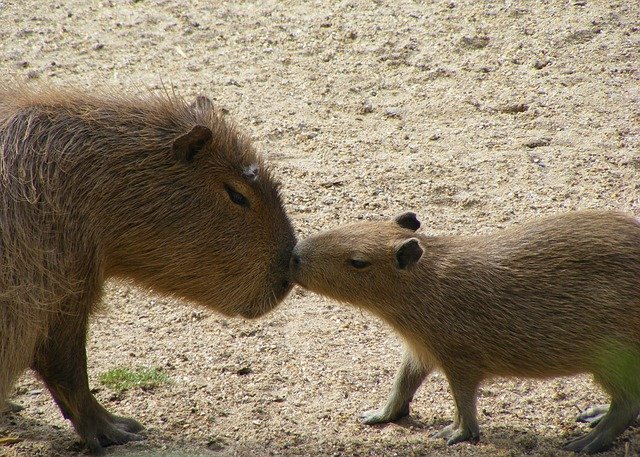
Credit: capybarafacts.com
Tips For A Great Capybara Experience
To make your visit memorable and safe, keep these tips in mind:
- Wear comfortable clothes that you don’t mind getting dirty.
- Bring a camera, but check the facility’s photo policy.
- Ask questions—staff love sharing fun facts.
- Arrive early to allow time for check-in and instructions.
- Be patient. Capybaras may not always want to be petted.
A common mistake is expecting the capybara to act like a dog or be playful. They are calm and slow-moving, and sometimes prefer to sit quietly.
Planning Your Visit: Costs And Booking
The cost for a capybara encounter in Pennsylvania can vary widely. Here’s an overview to help plan your budget:
| Facility | Encounter Fee (per person) | Duration |
|---|---|---|
| Jungle Wonder | $10 – $25 | 15–20 min |
| Reptiland | $20 – $30 (event-based) | 10–15 min |
| Sartore Farms | $25 – $40 | 30 min |
| Pittsburgh Zoo | $15 – $50 (special event) | Varies |
| East Coast Exotic | $20 – $30 | 20 min |
Most locations offer group discounts or family packages. Always check the website or call before visiting.
Why Capybara Encounters Are Special
Capybaras are social animals that live in groups in the wild. When you interact with them, you get to see their gentle nature up close. Many visitors say that petting a capybara feels like petting a small, friendly pig, but with more personality.
A non-obvious insight: capybaras communicate with soft whistles and purrs. If you’re lucky, you might hear these sounds during your visit. Also, capybaras enjoy being in water, so some facilities have small pools for them—watching them swim is a highlight.
Meeting a capybara can also teach children about respect for exotic animals and why it’s important to protect their habitats.
Frequently Asked Questions
Can I Own A Pet Capybara In Pennsylvania?
Owning a pet capybara in Pennsylvania requires a special permit. They need a lot of space, water, and social interaction. Most people visit them at animal facilities instead of keeping them at home.
Are Capybaras Friendly With Kids?
Capybaras are usually gentle and calm, making them safe around children if supervised. Always follow staff instructions to avoid accidents.
Do I Need To Make A Reservation To Pet A Capybara?
Yes, most places require advance booking for capybara encounters. Walk-in opportunities are rare and usually do not allow petting.
How Long Does A Capybara Encounter Last?
Encounters typically last 10 to 30 minutes. The exact time depends on the facility and the capybara’s mood.
Where Can I Learn More About Capybaras?
You can read more on the Wikipedia page about Capybaras for detailed information on their natural habitat, behavior, and care.
Meeting a capybara in Pennsylvania is a memorable experience—just make sure you plan ahead, respect the animals, and enjoy your time with these gentle giants. With the right preparation, you’ll leave with great memories and maybe even a few capybara selfies!

Credit: wildworldofanimals.org


