

Who Eats Capybara
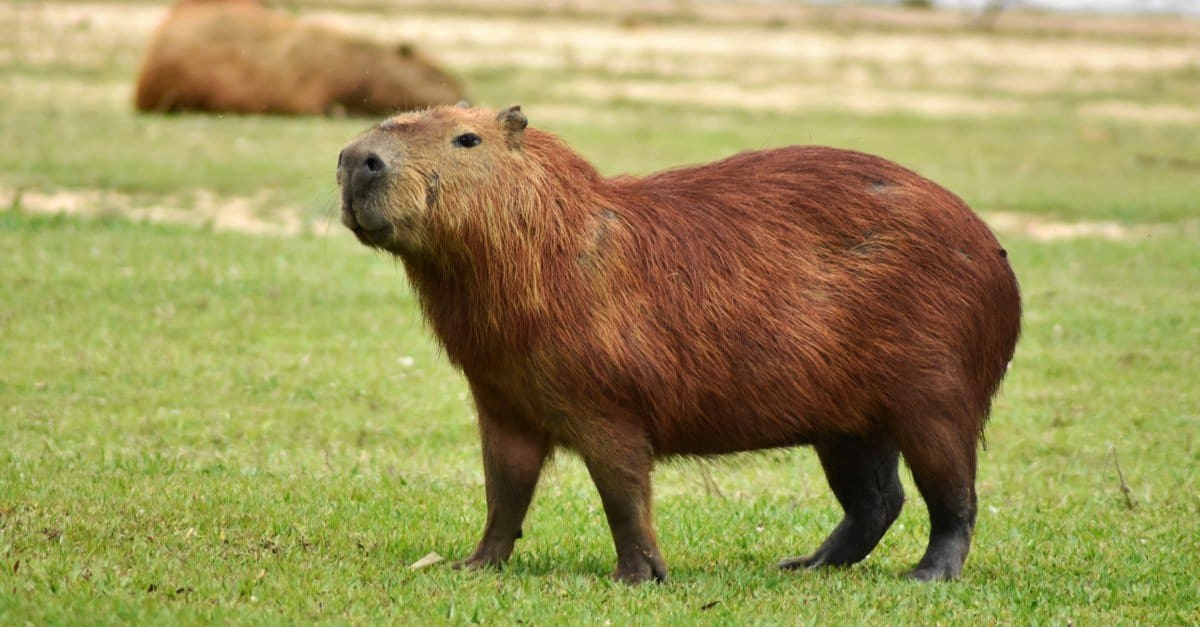
The capybara is the world’s largest rodent, famous for its calm nature and unique look. These animals live in South America, near water, and are well-known for their social groups. But capybaras are not just interesting to animal lovers—they are also part of the food chain. Many creatures, and even humans, eat capybaras for different reasons. Knowing who eats capybara helps us understand both nature and culture in the regions where these animals live.
Natural Predators Of Capybara
In the wild, capybaras face danger from several powerful hunters. Many of these predators rely on capybaras for food, especially in the wetlands of South America.
- Jaguars: The jaguar is one of the main threats to capybaras. With strong jaws and stealth, jaguars can catch adult capybaras near water. They often hunt at night and use surprise to grab their prey.
- Caimans: Caimans are relatives of alligators and live in the same rivers and lakes as capybaras. Young capybaras are especially at risk when swimming.
- Anacondas: These large snakes are found in swamps and rivers. Anacondas can ambush capybaras, using their strength to squeeze and swallow them whole.
- Ocelots: Smaller than jaguars, ocelots target young or sick capybaras. They use their agility to hunt in dense vegetation.
- Harpy Eagles: These powerful birds can carry off young capybaras. They are rare, but when present, they are skilled hunters.
Other predators include pumas, foxes, and large birds of prey. Most attacks happen when capybaras are near water or moving in the open.
Here’s a comparison of main natural predators and their typical prey size:
| Predator | Common Prey Age | Hunting Ground |
|---|---|---|
| Jaguar | Adult & Young | Riverside, Forest |
| Caiman | Mainly Young | Water |
| Anaconda | Young & Adult | Swamps, Water |
| Ocelot | Young & Sick | Vegetation |
Capybara And Humans
Humans have a long relationship with capybaras. In some cultures, people eat capybara meat for tradition, celebration, or survival.
South American Cuisine
Capybara meat, called chigüire in Venezuela and Colombia, is popular in several countries. It is often roasted, stewed, or dried. In Venezuela, capybara is a special dish during Lent, when eating red meat is not allowed. The Catholic Church once classified capybara as “fish,” so it became a legal food for Lent. Many families now see capybara as a holiday treat.
In Brazil, people sometimes eat capybara, but it is less common. The meat is often compared to pork, with a mild taste and firm texture.
Farming And Conservation
Some farms raise capybaras for their meat and hides. This practice helps meet demand without harming wild populations. Capybara farming is growing in areas where local laws allow it.
Here’s a simple breakdown of how capybara is used by humans:
| Country | Main Use | Special Occasion |
|---|---|---|
| Venezuela | Meat, Hide | Lent, Easter |
| Colombia | Meat | Lent |
| Brazil | Meat (less common) | Rural areas |
Capybara In The Black Market
Illegal hunting still happens. In some places, wild capybara is caught and sold, threatening the species. Overhunting can hurt local ecosystems, as capybaras are important for controlling grass and feeding predators.

Credit: www.americanoceans.org
Capybara As Food For Other Animals
Beyond wild predators and humans, some animals eat capybara as part of a balanced zoo diet. Zoos may use capybara meat for big cats or reptiles, especially when trying to match the animals’ natural food sources.
Unique Insights: Surprising Eaters And Cultural Facts
Most people know about jaguars and humans eating capybara, but there are some lesser-known facts:
- River dolphins in the Amazon sometimes eat young capybaras. This is rare but shows how complex river life can be.
- In small villages, capybara fat is used for cooking oil or folk medicine.
- Some indigenous tribes use every part of the capybara, making tools or clothing from bones and skin.
These details show that capybara is more than just prey—it is part of many traditions and survival strategies.
The Role Of Capybara In The Food Chain
Capybaras are herbivores. They eat grass, aquatic plants, and fruit. Because they are large and often found in groups, they provide a steady food source for many carnivores. This balance keeps both predator and prey populations healthy.
If capybaras disappear, predators like jaguars and caimans would struggle to find food. At the same time, overhunting by humans can upset this balance. Conservationists warn that protecting capybara populations helps maintain healthy wetlands and forests.
How Capybara Defend Themselves
Capybaras are not helpless. They have several ways to avoid being eaten:
- Alertness: Capybaras post a lookout. If they see danger, they bark or whistle to warn the group.
- Swimming: They are strong swimmers. When chased, capybaras dive into water and can stay underwater for up to five minutes.
- Group living: By living in groups, capybaras make it harder for predators to catch one.
These defenses do not always work, but they help capybaras survive in dangerous environments.
Credit: a-z-animals.com
Capybara In Numbers
Understanding how often capybaras are eaten, and by whom, helps show their role in the ecosystem.
| Predator | Estimated Capybara Diet (%) | Region |
|---|---|---|
| Jaguar | 30-50% | Pantanal, Amazon |
| Caiman | 10-20% | Wetlands |
| Humans | Varies | Venezuela, Colombia, Brazil |
These numbers show that both animals and humans rely on capybaras in different ways.
Frequently Asked Questions
Why Do People Eat Capybara During Lent?
In Venezuela and Colombia, the Catholic Church once allowed capybara as a “fish” for Lent, so people could eat it when other meats were forbidden. This tradition continues today.
Is Capybara Meat Healthy?
Yes, capybara meat is lean and high in protein. It has less fat than beef or pork and is often compared to rabbit or chicken in nutrition.
Are Capybaras Endangered Because They Are Hunted?
No, capybaras are not endangered. They have a stable population, but overhunting in some areas can cause local declines. Conservation laws help protect them.
Can You Eat Capybara In The United States?
No, eating capybara is not common or legal in most of the United States. Capybaras are mainly eaten in South America where they are native.
What Animals Eat Baby Capybaras?
Baby capybaras are eaten by many predators, including caimans, anacondas, large birds like harpy eagles, and even some river dolphins.
The capybara’s place in nature and culture is unique. From the Amazon’s biggest cats to families during Lent, many depend on this gentle giant. To learn more about capybaras and their predators, visit the Wikipedia Capybara page.

Credit: www.youtube.com


