

Capybaras are gaining popularity online, often shown as gentle, friendly animals. Many people wonder if these large rodents are actually harmful. Some want to keep capybaras as pets, while others are curious about their impact on the environment and safety.
Understanding the real risks, myths, and facts about capybaras is important for anyone who may interact with them.
What Is A Capybara?
Capybaras are the world’s largest rodents. They live in South America and are often seen near water. Adults weigh between 35 to 66 kg (77 to 146 lbs) and can grow up to 1. 3 meters (4. 3 ft) long.
Capybaras have webbed feet, which help them swim. Their social behavior is one reason people find them interesting—they usually live in groups of 10 to 20.
Are Capybaras Dangerous To Humans?
Most people ask if capybaras are harmful because they look big and unfamiliar. The truth is, capybaras are not aggressive by nature.
Biting And Aggression
Capybaras have large, strong teeth. They bite when they feel threatened, cornered, or are protecting their young. However, bites are rare, especially compared to other wild animals. Most attacks happen when people try to pick up or force a capybara to do something it doesn’t want to do.
Children or people who don’t understand animal signals are most at risk.
Disease Transmission
Like other mammals, capybaras can carry diseases. The most important are:
- Leptospirosis: This bacterial disease spreads through water contaminated by animal urine.
- Ticks and parasites: Capybaras can host ticks that transmit illnesses like Brazilian spotted fever.
The risk is low if you avoid touching wild capybaras or their habitats. Pet owners should clean their animals’ living spaces regularly.
Capybaras As Pets
Some people keep capybaras as exotic pets. While they are usually gentle, problems can occur:
- Capybaras need lots of space and water.
- They get stressed if left alone.
- They may bite if scared or hurt.
- They require special diets and care.
Most experts do not recommend capybaras for most homes.

Credit: a-z-animals.com
Are Capybaras Harmful To Other Animals?
Capybaras are not predators. They eat grass, aquatic plants, and fruit. Their main defense is running into water or staying with their group.
Impact On Local Wildlife
In their natural habitat, capybaras rarely harm other animals. However, in areas where they are not native, they can compete with livestock for grass or become prey for local predators.
Invasive Species Concerns
In some countries, people have released capybaras outside their native range. This can cause problems:
- Overgrazing grasslands
- Damaging crops
- Spreading non-native parasites
For example, in Florida, a few capybaras have escaped from captivity, but so far, their impact is small.
Capybaras And The Environment
Capybaras play a role in their ecosystem. Their grazing helps control plant growth. Their droppings fertilize the soil, and they provide food for predators like jaguars, caimans, and eagles.
Human Encounters In The Wild
People who live near capybara habitats may worry about crop damage or water contamination. Still, capybaras rarely cause major harm unless their numbers are very high. Farmers sometimes use fences to protect crops.
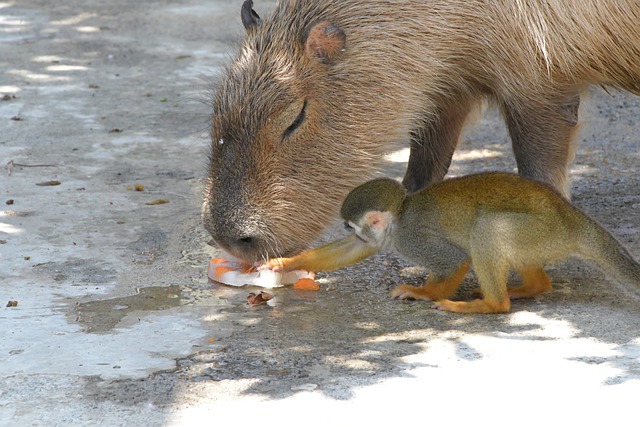
Credit: capybarafacts.com
Comparing Capybaras To Other Animals
To understand how harmful capybaras are, compare them to other animals people may encounter.
| Animal | Risk to Humans | Common Harm |
|---|---|---|
| Capybara | Low | Bites (rare), disease (rare) |
| Domestic Dog | Medium | Bites, rabies, zoonotic disease |
| Beaver | Low-Medium | Bites, property damage |
| Rat | Medium-High | Bites, disease, property damage |
Most people are more likely to be harmed by dogs or common rodents than by a capybara.
Capybara Encounters: What To Do
If you meet a capybara in the wild or at a zoo, follow these tips:
- Keep a safe distance. Do not try to pet or feed wild capybaras.
- Watch for warning signs. Raised hair, loud barks, or teeth showing mean the animal feels threatened.
- Wash hands after touching any animal or being near their water.
- Do not chase or startle them, especially if there are babies nearby.
Most negative encounters happen when people ignore these basic rules.
Non-obvious Insights
Some things about capybaras surprise even experienced animal lovers:
- Capybaras are semi-aquatic and can hold their breath underwater for up to five minutes. If they feel threatened, they escape into water—so most attacks happen on land, not in water.
- They can live over 8 years in the wild, but stress in captivity often shortens their lifespan. A stressed capybara is more likely to bite or get sick, which increases risks to humans and other pets.
Capybara Myths Vs. Facts
Many myths make people think capybaras are dangerous or completely harmless. Here’s a quick comparison:
| Myth | Fact |
|---|---|
| Capybaras are always friendly and safe. | Capybaras can bite and carry disease if provoked or stressed. |
| Capybaras can live as happy pets in any home. | Capybaras need special care, space, and companionship. |
| Capybaras harm the environment everywhere. | They are important in their native ecosystem, but may cause problems if introduced elsewhere. |
Understanding these facts helps people respect capybaras and avoid problems.

Credit: a-z-animals.com
Human Safety And Legal Issues
In many places, owning a capybara is illegal or requires a special permit. Local governments worry about disease, escape, and animal welfare. If you are considering a capybara as a pet, check your country or state’s laws first.
Some countries, like Brazil, protect capybaras because they are an important part of the ecosystem. Hunting or capturing them without permission can lead to fines or jail.
Summary: Are Capybaras Harmful?
Capybaras are not usually harmful to people, pets, or the environment when left in the wild. Problems mostly happen when people try to keep them as pets or introduce them where they do not belong. Understanding capybara behavior and following simple safety rules can prevent nearly all issues.
For more on wild animal behavior and risks, see this detailed overview by the Wikipedia.
Frequently Asked Questions
Are Capybaras Aggressive Towards Humans?
Capybaras are usually gentle, but they can be aggressive if threatened, especially if protecting their babies. Most bites happen when people try to touch or pick them up.
Can Capybaras Transmit Diseases To Humans?
Yes, capybaras can carry diseases like leptospirosis and parasites. The risk is low if you avoid direct contact with wild animals and wash your hands after visiting zoos.
Are Capybaras Dangerous As Pets?
Capybaras are not usually dangerous, but they need special care and can bite if scared. They are not suitable pets for most people because of their needs and size.
Do Capybaras Harm The Environment?
In their native regions, capybaras are not harmful. In places where they are not native, they can damage crops and compete with local wildlife if released.
What Should I Do If I See A Capybara In The Wild?
Observe from a distance. Do not try to feed, touch, or chase the animal. Respect its space to avoid any risk to you or the capybara.


