

Nutria and capybara are two large rodents often confused with each other. Their similar appearance leads people to wonder if they are closely related. If you have seen a furry, semi-aquatic animal near a river or pond, you might have asked, “Is that a nutria or a capybara?
” Let’s explore their relationship, differences, and what makes each unique.
Understanding Nutria And Capybara
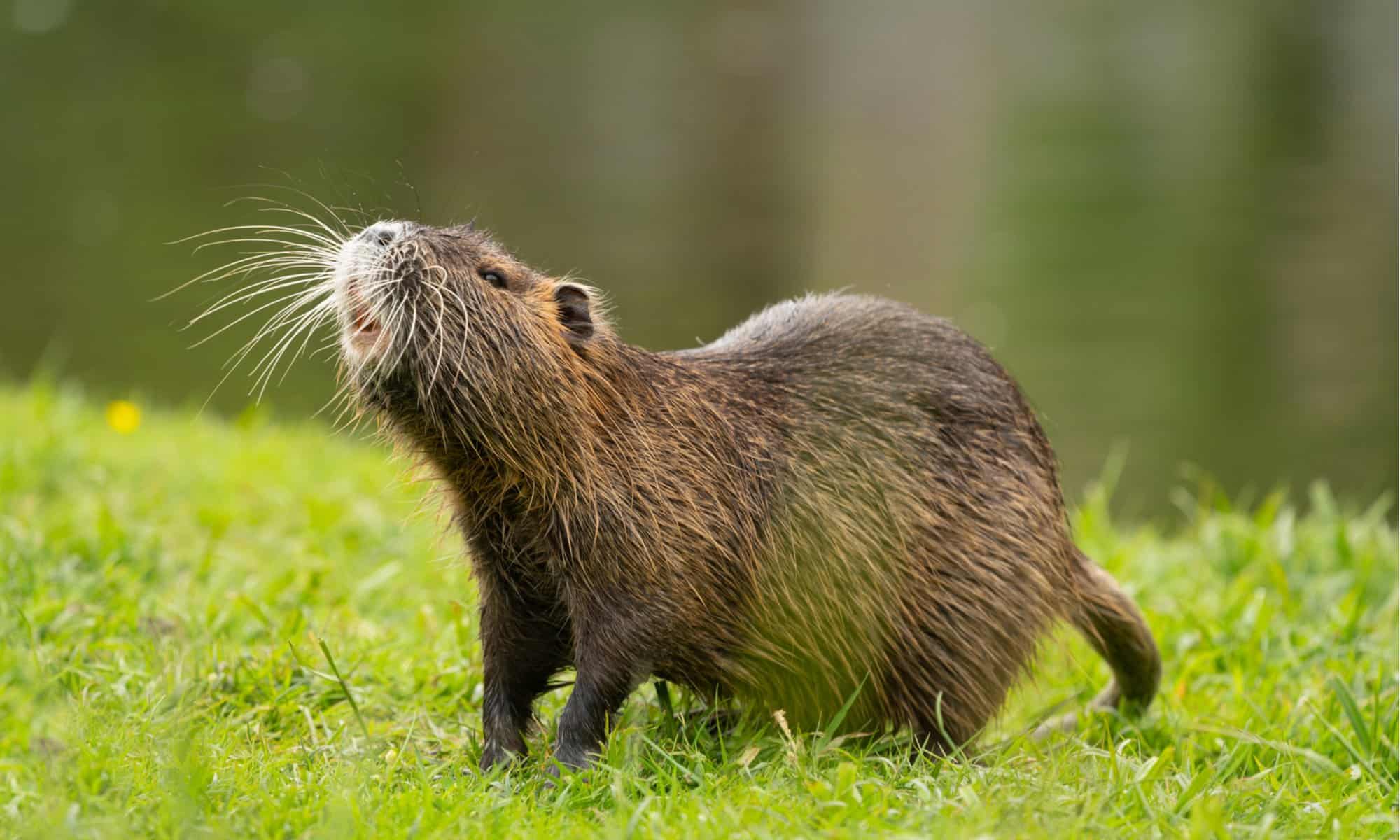
Nutria, also called coypu, is a rodent native to South America. It is smaller than the capybara and often found in wetlands. Nutria were introduced to other continents for fur farming but quickly became an invasive species in many regions.
Capybara is the largest rodent in the world. It also comes from South America and lives in groups near water. Capybaras are famous for their calm behavior and social nature.
Both animals are semi-aquatic and share some physical traits. However, their relationship is more distant than people think.
Scientific Classification
To understand if nutria and capybara are related, we need to look at their scientific classification.
| Animal | Family | Genus | Species |
|---|---|---|---|
| Nutria | Myocastoridae | Myocastor | Myocastor coypus |
| Capybara | Caviidae | Hydrochoerus | Hydrochoerus hydrochaeris |
Nutria and capybara belong to different families. Nutria is part of the Myocastoridae family, while capybara belongs to Caviidae. This shows they are not closely related, even though they share some habits and habitats.
Physical Comparison
People often mistake nutria for capybara because both are large, brown rodents found near water. But their size and features are quite different.
| Feature | Nutria | Capybara |
|---|---|---|
| Weight | 5–9 kg (11–20 lbs) | 35–66 kg (77–146 lbs) |
| Length | 40–60 cm (16–24 in) | 100–130 cm (39–51 in) |
| Tail | Long, round, hairy | No tail |
| Feet | Webbed hind feet | Partly webbed feet |
| Fur | Dense, dark brown | Coarse, light brown |
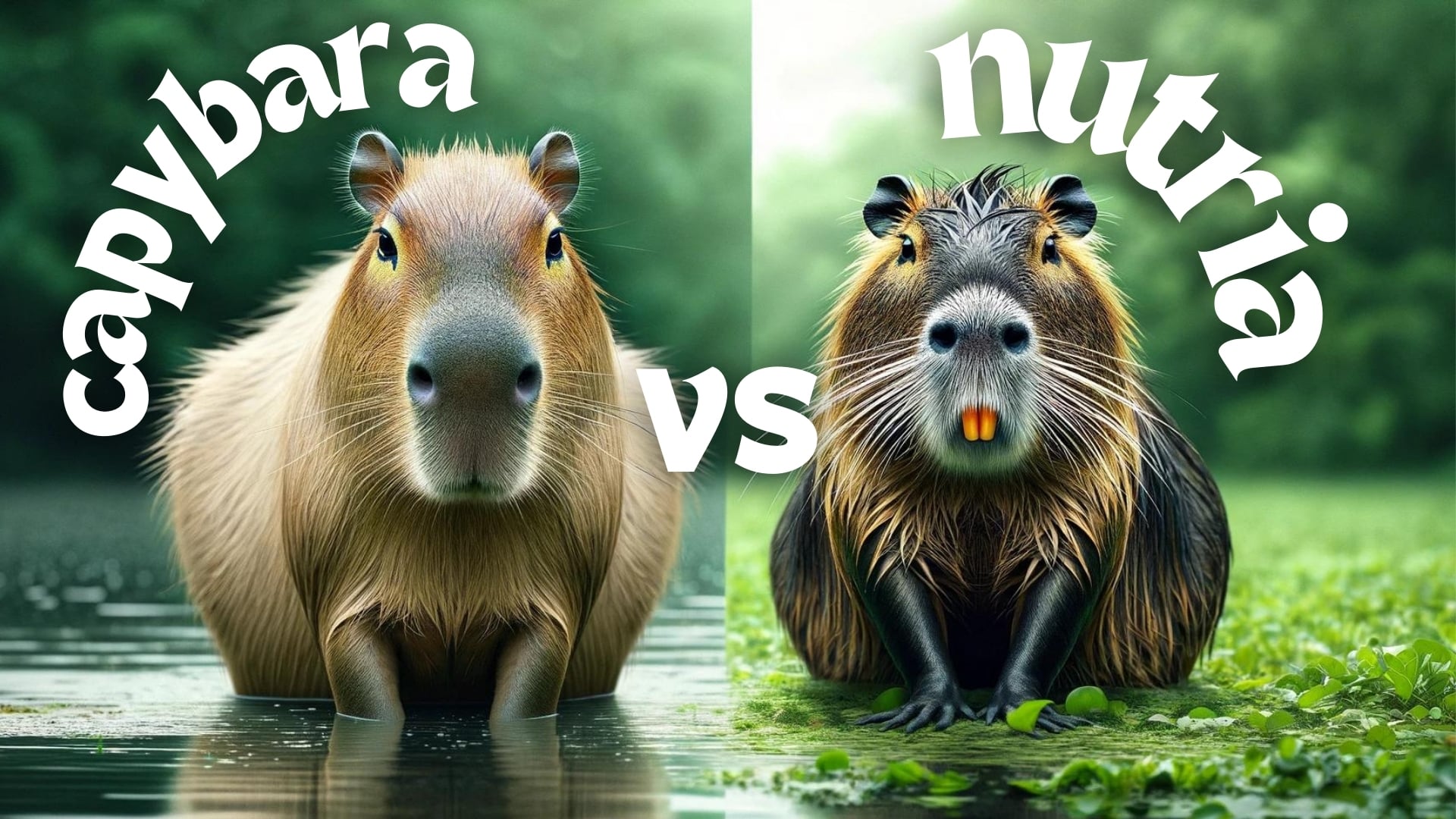
Nutria are much smaller than capybara. Capybara is almost seven times heavier. Nutria has a visible tail, while capybara does not. These differences help people identify them in the wild.
Habitat And Behavior
Both rodents live near water, but their lifestyles are not the same.
- Nutria: Build burrows in riverbanks and feed on aquatic plants. They are active at night and can be solitary or live in small groups.
- Capybara: Live in large social groups, sometimes up to 100 individuals. Capybara graze on grass and swim together. They are active during the day and night.
Nutria often cause damage to wetlands by eating roots and digging burrows. Capybara, on the other hand, play a role in maintaining grasslands and are less destructive.
Geographic Range
Nutria and capybara both started in South America, but their range is now different.
- Nutria: Found in South America, North America, Europe, Asia, and Africa. They were introduced in many places, but escaped and became invasive.
- Capybara: Native to South America. Found in Brazil, Venezuela, Colombia, and Argentina. Rarely seen outside their home range.
Nutria are considered a problem in many countries due to their fast reproduction and destruction of habitats. Capybara are usually not seen as pests and are protected in many areas.
Are Nutria And Capybara Related?
Nutria and capybara are both rodents and share similar environments. But they are not close relatives. Their families split millions of years ago. Nutria are more related to beavers and muskrats. Capybara are closer to guinea pigs and cavies.
This is a common mistake because both animals look alike and live in water. But their genetics and history are different.
Credit: a-z-animals.com
Interesting Facts And Non-obvious Insights
- Nutria have orange teeth because of iron in their enamel. Capybara have regular brown teeth.
- Capybara are often seen with birds, monkeys, and other animals sitting on their backs. Nutria rarely show this behavior.
- Nutria can cause millions of dollars in damage each year to crops and wetlands in the United States. Capybara are not invasive outside South America.
- Capybara can hold their breath for up to five minutes underwater.
- Nutria were once prized for their fur, but now many countries try to control their population.
Conservation And Human Impact
Nutria are hunted or trapped in many places to protect wetlands. Their population grows fast, and they adapt easily. Capybara are sometimes hunted for meat and skin, but their numbers remain stable. In Brazil, capybara hunting is regulated.
Humans have changed the fate of both animals. Nutria became pests in the US and Europe because of fur farming. Capybara remain part of local culture in South America, often featured in festivals and stories.

Credit: www.youtube.com
Key Differences At A Glance
Here’s a quick comparison for easy reference:
| Nutria | Capybara |
|---|---|
| Smaller size | Largest rodent |
| Visible tail | No tail |
| Invasive outside native range | Rarely invasive |
| Orange teeth | Brown teeth |
| Damages wetlands | Maintains grasslands |
Frequently Asked Questions
Are Nutria And Capybara The Same Animal?
No, nutria and capybara are different animals. Nutria are smaller, have a tail, and belong to a different family.
Can Nutria And Capybara Live Together?
They can share habitats, but their social behaviors differ. Capybaras live in large groups, while nutria are often solitary or in pairs.
Are Nutria Dangerous?
Nutria are not usually dangerous to humans, but they can damage crops, wetlands, and cause erosion.
Why Do Nutria Have Orange Teeth?
Nutria’s orange teeth come from iron deposits in the enamel, which make their teeth strong and give them a unique color.
Where Can I See Capybaras Outside South America?
Capybaras are sometimes kept in zoos around the world. They are rarely found in the wild outside their native range. For more about capybara, visit Wikipedia.
Nutria and capybara may look similar, but they are not closely related. Their differences in size, behavior, and genetics make each unique. Understanding these rodents helps us appreciate their role in nature and avoid confusion in the wild.
Credit: capybaramag.com


