

Many people dream of owning an exotic pet. The capybara, the world’s largest rodent, has become a social media sensation. Their friendly nature and unique look make them very attractive to animal lovers. But can you really own a capybara in Michigan? The answer is not as simple as you might think. Michigan has strict laws and requirements about exotic pets. This article explains everything you need to know before bringing a capybara into your home.
Capybara Basics
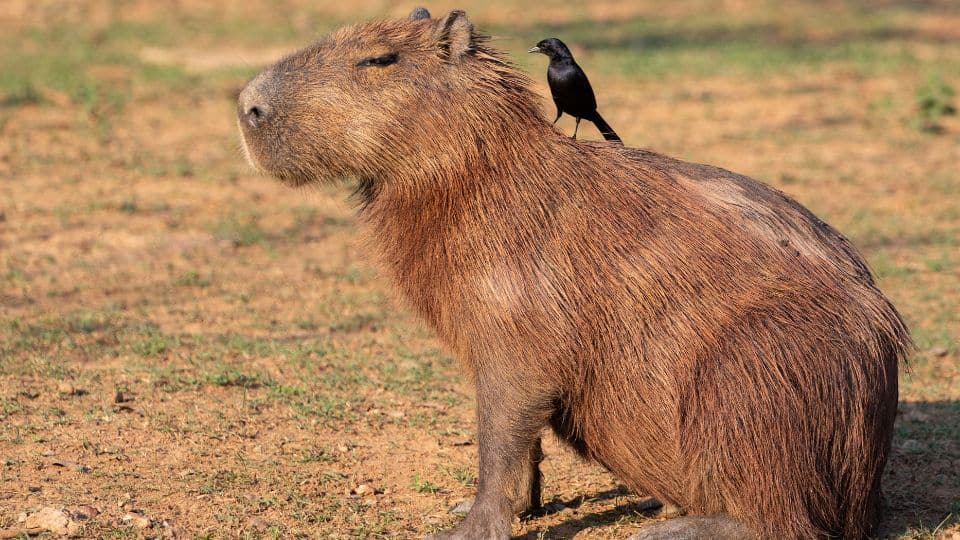
Capybaras are native to South America. They live near water and move in groups. These animals can grow up to 140 pounds and need a lot of space. Unlike small rodents, capybaras are semi-aquatic and require swimming. They eat grass, vegetables, and need a specific diet to stay healthy.
Capybaras are usually gentle and social. They get along well with other animals, especially if raised together. However, they are not low-maintenance pets. Many owners are surprised by the daily care and attention capybaras need.
Michigan Exotic Animal Laws
Michigan’s rules about exotic pets are serious. The state divides animals into different categories:
- Prohibited Species: Animals not allowed under any condition.
- Conditional Species: Animals you can own, but only with a special permit.
- Unregulated Species: Animals you can own without special paperwork.
Capybaras do not fall into the “prohibited” list. However, they are considered exotic animals. Michigan law requires owners to follow local and state rules. Some cities and counties may have extra restrictions.
Here’s a simple look at the legal status:
| Animal Type | Legal Status in Michigan | Permit Needed? |
|---|---|---|
| Capybara | Allowed (with conditions) | Sometimes |
| Wolf | Prohibited | Not possible |
| Ferret | Unregulated | No |

Credit: www.zoocasa.com
Local Regulations: Why Location Matters
Even if Michigan allows capybaras, your city or county might not. Some towns have strict bans on all exotic pets. Others may require extra permits or inspections. You must always check with:
- Your city animal control
- Local zoning office
- County animal services
For example, Detroit and Grand Rapids have extra rules for non-traditional pets. Ignoring these rules can result in fines, loss of your pet, or even criminal charges.
Permit And Paperwork Requirements
If your area allows capybaras, you may need a permit. Permits often require:
- Proof of safe housing
- Veterinary plan for regular care
- Inspection by local officials
Some cities ask for proof that you can keep the animal from escaping. You might need fences, pools, and shelter.
This is how permit requirements often compare:
| Requirement | Typical for Dogs/Cats | Common for Capybaras |
|---|---|---|
| Vaccinations | Yes | No (but wellness exams needed) |
| Fenced Yard | Recommended | Usually Required |
| Special Permit | No | Sometimes Required |
| Escape-Proof Enclosure | No | Required |

Credit: capybaramag.com
Costs Of Owning A Capybara
Capybaras are not cheap pets. The initial purchase price is usually between $1,000–$3,000. But the real cost is in their care:
- Custom enclosure: $2,000–$5,000
- Swimming pool or pond: $1,500+
- Food and hay: $60–$100/month
- Vet care: Exotic vets can charge $100+ per visit
You will also need to find a vet who treats capybaras. Not all vets have experience with exotic rodents.
Daily Life With A Capybara
Capybaras need a lot of attention. They should not be alone for long. They can become lonely and stressed if left by themselves. Many owners keep two or more capybaras to keep them happy.
They need at least 12×20 feet of space and daily access to clean water for swimming. Capybaras are active during the day and may chew on furniture if bored.
Here are two important facts beginners miss:
- Capybaras can get sick from common chemicals in tap water. Always use dechlorinated water in their pools.
- They make loud sounds, like barking or whistling, especially at night. Neighbors may complain.
Zoonotic Risks And Safety
Capybaras can carry diseases that transfer to humans or pets. Good hygiene is important. Wash hands after handling them, and keep their living area clean.
If you have small children, supervise all interactions. Capybaras have strong teeth and can bite if scared.
Responsible Ownership: Are Capybaras Right For You?
Before buying a capybara, ask yourself:
- Do I have enough space for a large, semi-aquatic animal?
- Can I afford the long-term costs?
- Am I ready for daily cleaning and social time?
- Do I have a backup plan if local laws change?
Many capybaras end up in rescues because people underestimate the work involved. Make sure you have all the information before making this big decision.
Credit: capybaramag.com
Where To Get Accurate Legal Advice
Laws change quickly. For the most up-to-date rules, check with the Michigan Department of Agriculture and Rural Development. Also, consult your local animal control office. Sometimes, state and local laws can conflict. When in doubt, ask for written proof.
For detailed information about animal import and ownership laws, visit the Michigan Department of Agriculture and Rural Development.
Frequently Asked Questions
Can You Own A Capybara In All Parts Of Michigan?
No, not everywhere. Some cities or counties have bans on exotic pets. Always check your local laws before getting a capybara.
Do You Need A Permit To Own A Capybara In Michigan?
In many places, yes. Some areas require a special permit and inspection. Requirements can differ by city or county.
Are Capybaras Dangerous?
Capybaras are usually gentle, but they are still wild animals. They can bite if threatened. Good handling and socialization are important.
What Do Capybaras Eat?
Capybaras need a diet of grass, hay, and fresh vegetables. They should not eat processed foods. Access to clean water is also essential.
How Long Do Capybaras Live?
Capybaras live around 8–12 years in captivity with proper care. Good diet, space, and regular vet visits help them live longer.
Owning a capybara in Michigan is possible, but it comes with many responsibilities and legal steps. Always do careful research before bringing one home. With the right preparation and care, capybaras can be wonderful companions for those who understand their unique needs.


