

Capybaras are the world’s largest rodents, and they’re famous for their gentle nature and sociable behavior. But their diet is less well-known. Many people wonder if these animals eat bamboo, especially since bamboo is a common food for other rodents and large mammals.
Understanding what capybaras eat helps us care for them better in captivity and appreciate their role in the wild.
What Do Capybaras Eat?
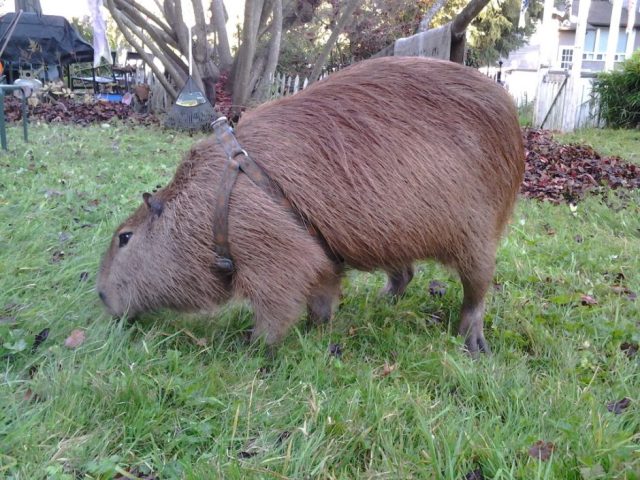
Capybaras are herbivores. Their diet is made up of plant materials. In the wild, they mostly graze on grasses. They also eat aquatic plants, fruit, and sometimes tree bark. These foods are rich in fiber, which is important for their digestion.
Here is a simple breakdown of their main foods:
- Grasses (about 70% of their diet)
- Aquatic plants
- Fruits (such as melons and bananas)
- Tree bark and leaves
- Occasional grains
Capybaras have special teeth for chewing tough plants. Their stomachs are adapted to digest cellulose, which is the main fiber in grasses.
Bamboo And Capybaras: Do They Eat It?
Bamboo is a plant found in many parts of the world. It’s known for its strength and fast growth. Bamboo is the main food for pandas, but can capybaras eat it too?
Is Bamboo Part Of Their Natural Diet?
In their native habitats, capybaras live in South America. Bamboo does grow in some parts of South America, but it’s not a major part of the landscape where capybaras live. Most wild capybaras eat riverbank grasses and aquatic plants. Bamboo is not common in their natural range, so they don’t usually encounter it.
Can Capybaras Digest Bamboo?
Bamboo contains a lot of fiber, but its structure is different from regular grass. It’s tougher and has silica, which makes it harder to chew and digest. Capybaras have strong teeth, but their digestive system is not as specialized as the giant panda’s.
Some studies show that capybaras can eat bamboo leaves and shoots if they’re available, but they don’t digest them as well as grass. Bamboo might pass through their system without much nutritional benefit.
Zoo And Captive Diets
In zoos or private collections, bamboo is sometimes offered to capybaras. It’s mainly used as enrichment or a treat. Most caretakers report that capybaras nibble on bamboo leaves but ignore the tough stems. They prefer softer foods.
Here’s a comparison of the nutritional value of grass versus bamboo:
| Food | Fiber (%) | Protein (%) | Digestibility |
|---|---|---|---|
| Grass | 25-35 | 10-12 | High |
| Bamboo | 40-50 | 3-5 | Low |
You can see that bamboo has more fiber but less protein than grass. It’s also harder to digest.

Credit: www.sciencesource.com
Risks And Benefits Of Bamboo For Capybaras
Benefits
- Enrichment: Bamboo can be used to keep capybaras busy. Chewing on leaves and stems is a natural behavior.
- Low Calories: Bamboo is low in calories, so it doesn’t cause weight gain.
Risks
- Poor Nutrition: Bamboo lacks important nutrients that capybaras need. It cannot replace their main food.
- Dental Issues: Chewing tough bamboo stems can cause tooth wear.
- Digestive Problems: Capybaras may have trouble digesting bamboo, leading to stomach issues.
A study from Wikipedia confirms that capybaras in captivity do best when fed grass, hay, and vegetables. Bamboo should only be given in small amounts.
Capybaras Compared To Other Bamboo-eating Animals
It’s interesting to compare capybaras to animals that eat bamboo regularly, like pandas and some lemurs.
| Animal | Main Diet | Bamboo Consumption | Digestive Adaptation |
|---|---|---|---|
| Capybara | Grass, aquatic plants | Rare/occasional | Moderate |
| Giant Panda | Bamboo | Almost exclusive | High |
| Red Panda | Bamboo, fruit | Frequent | High |
| Bamboo Lemur | Bamboo | Frequent | High |
Pandas and bamboo lemurs have special digestive systems for bamboo. Capybaras do not.
Credit: petcapybara.com
How To Feed Capybaras Safely
If you keep capybaras in captivity, it’s important to know what to feed them. Here are some guidelines:
- Base Diet: Feed mostly grass and hay. Timothy hay is a good choice.
- Vegetables: Offer carrots, lettuce, and cucumbers as treats.
- Fruits: Give small amounts of banana and melon.
- Bamboo: Only offer leaves and shoots, never tough stems. Use bamboo as enrichment, not main food.
Many beginners think capybaras will eat anything. This is not true. Their digestion is sensitive. Too much bamboo can cause problems.
| Food Item | Suitable for Capybaras? | Notes |
|---|---|---|
| Grass | Yes | Main food, high fiber |
| Hay | Yes | Good substitute for grass |
| Bamboo Leaves | Occasional | Use as treat |
| Bamboo Stems | No | Too tough, low nutrition |
| Fruits | Yes, in moderation | High sugar |
| Grains | Rarely | Low fiber |
Non-obvious Insights For Capybara Owners
- Capybaras practice coprophagy (eating their own feces). This helps them absorb more nutrients from tough plants. Bamboo doesn’t provide much benefit here, since it’s harder to break down.
- Capybaras have seasonal diets. In the dry season, they eat more bark and leaves. Bamboo is more attractive in dry periods, but only as a fallback food.

Credit: petcapybara.com
Frequently Asked Questions
Can Capybaras Eat Bamboo Safely?
Capybaras can eat bamboo leaves and young shoots in small amounts. Avoid giving them tough stems, as these are difficult to digest and may cause dental issues.
Is Bamboo A Good Source Of Nutrition For Capybaras?
No, bamboo is low in protein and hard to digest. Grass and hay are much better for capybaras’ health.
Why Do Some Zoos Give Bamboo To Capybaras?
Zoos use bamboo mainly for enrichment. It keeps capybaras busy and helps them practice chewing, but it’s not their main food.
Can Bamboo Replace Grass In A Capybara’s Diet?
Bamboo cannot replace grass. Capybaras need the nutrients found in grass and hay. Bamboo is only suitable as an occasional treat.
Do Wild Capybaras Eat Bamboo?
Wild capybaras rarely eat bamboo. They prefer riverbank grasses and aquatic plants. Bamboo is not common in their natural habitat.
Capybaras are unique animals with specific dietary needs. While they can nibble on bamboo leaves, their bodies are built for softer, more nutritious plants. If you care for capybaras, focus on providing high-quality grass and hay, and use bamboo only as a treat.
Understanding their true diet helps them stay healthy and happy.


